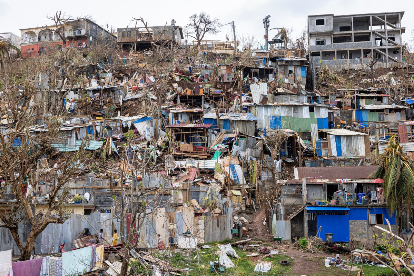
The death toll from Cyclone Chido has risen to at least 94 in Mozambique, with thousands more affected, as the country struggles to recover from the deadly storm that tore through the Indian Ocean region last week. Mozambique’s National Institute for Disaster Risk Management and Reduction confirmed the updated figures on Sunday, highlighting the widespread destruction caused by one of the most intense cyclones to strike the region in recent years.
The storm made landfall in Mozambique’s Cabo Delgado province, unleashing winds of 260 km/h (160 mph) and 250 mm (10 inches) of rain in a single day. Over 110,000 homes were destroyed, leaving more than 500,000 people displaced or affected, primarily in Cabo Delgado, a region already grappling with an ongoing Islamist insurgency.
Cyclone Chido first ravaged Mayotte, a French island territory, where at least 35 people died and 2,500 were injured. Many of the victims in Mayotte were undocumented migrants from the nearby Comoros islands, who lived in shantytowns flattened by the storm. The French Interior Ministry fears the death toll could climb further.
After devastating Mozambique, the cyclone moved inland to Malawi, where it caused 13 deaths and injured nearly 30 people. Both nations were already battling one of the worst droughts in a century, exacerbating the storm’s impact.
The cyclone struck Mozambique amid a deadly political crisis following contentious presidential elections in October. Ruling Frelimo party candidate Daniel Chapo’s victory has been denounced by opposition parties as fraudulent. Protests against the election results have left at least 130 people dead, according to the civil society group Plataforma Decide, a figure also cited by Amnesty International.
Chapo, who is set to be sworn in as president on January 15 if the Constitutional Council validates the election results, visited storm-hit areas on Sunday. On public television, he appealed for citizens to donate food and clothing to assist those affected. “Even if we are using them, our brothers need them,” Chapo said.
Meanwhile, opposition leader Venancio Mondlane has warned of “chaos” should the council uphold the contested election results, raising fears of escalating unrest.
The combination of Cyclone Chido’s devastation, political instability, and the ongoing drought has created a severe humanitarian crisis in Mozambique. International aid organizations, including UNICEF, have begun responding to the disaster. Images from hard-hit areas like the Mecufi district show critical infrastructure, including mosques, stripped bare by the cyclone’s winds.
Experts attribute Cyclone Chido’s intensity to human-driven climate change, which is increasing the frequency and severity of extreme weather events in the region.
As Mozambique and its neighbors begin to rebuild, the scale of the disaster underscores the urgent need for climate resilience and improved disaster preparedness across southern Africa.
