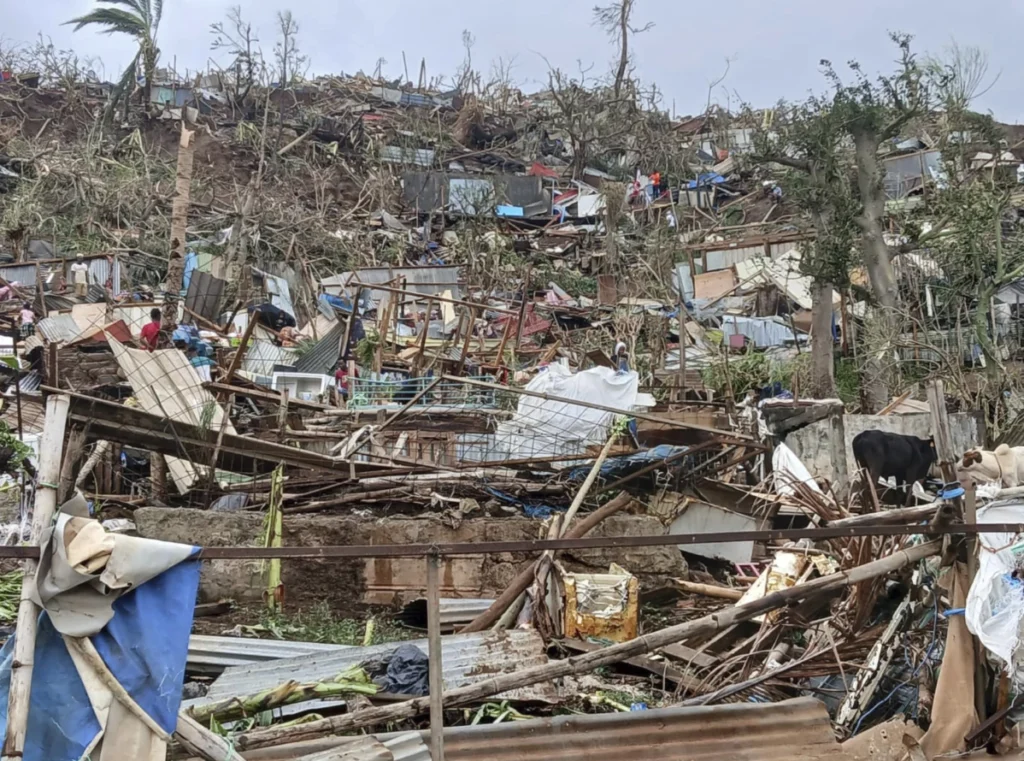
Cyclone Chido, one of the strongest storms to strike the French territory of Mayotte in nearly a century, has left a trail of destruction, with the death toll now feared to be in the hundreds, potentially rising into the thousands. Mayotte’s top government official, François-Xavier Bieuville, confirmed on Sunday that the human toll was likely much higher than initial estimates, citing the catastrophic damage to the island’s slums, where the majority of fatalities have been reported.
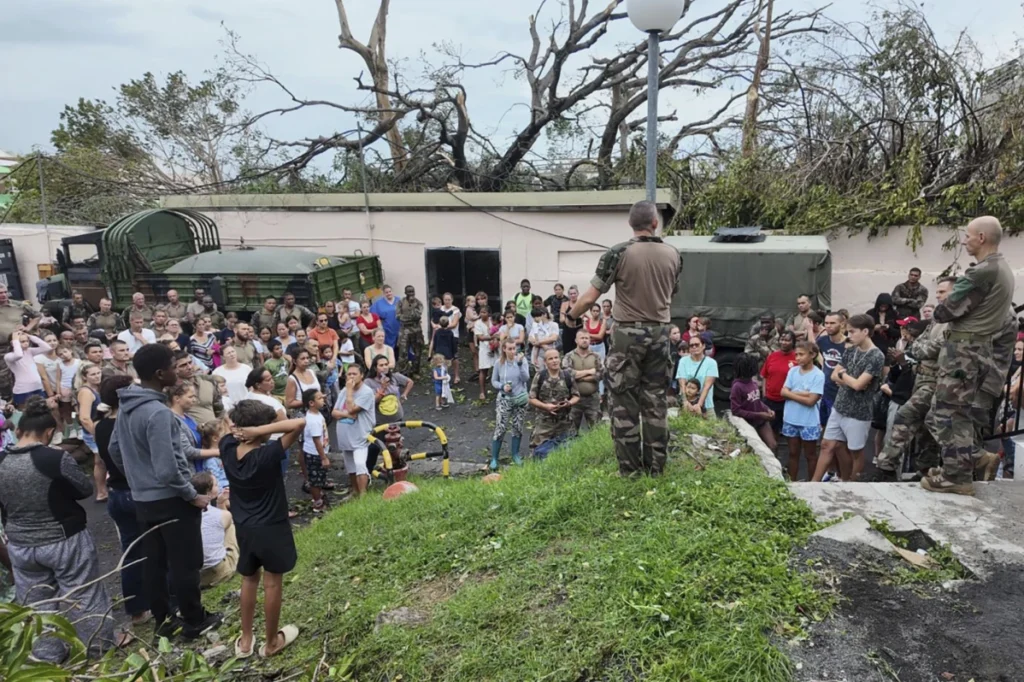
“I think there are several hundred dead, maybe close to a thousand, even thousands, given the violence of this event,” Bieuville told Mayotte la 1ere, adding that the disaster was the worst Mayotte had experienced in 90 years. The cyclone struck on Saturday, causing severe damage to vital infrastructure, including the airport, power grids, and residential areas. Bieuville noted that the toll was difficult to assess, with rescue teams still working to reach the hardest-hit regions.
The French Interior Ministry confirmed at least 11 deaths and over 250 injuries as of Sunday, but warned that these figures were likely to rise significantly as more information came in. Mayotte, with a population of around 300,000, is the poorest of France’s overseas territories and the poorest region in the European Union, making recovery efforts particularly challenging.
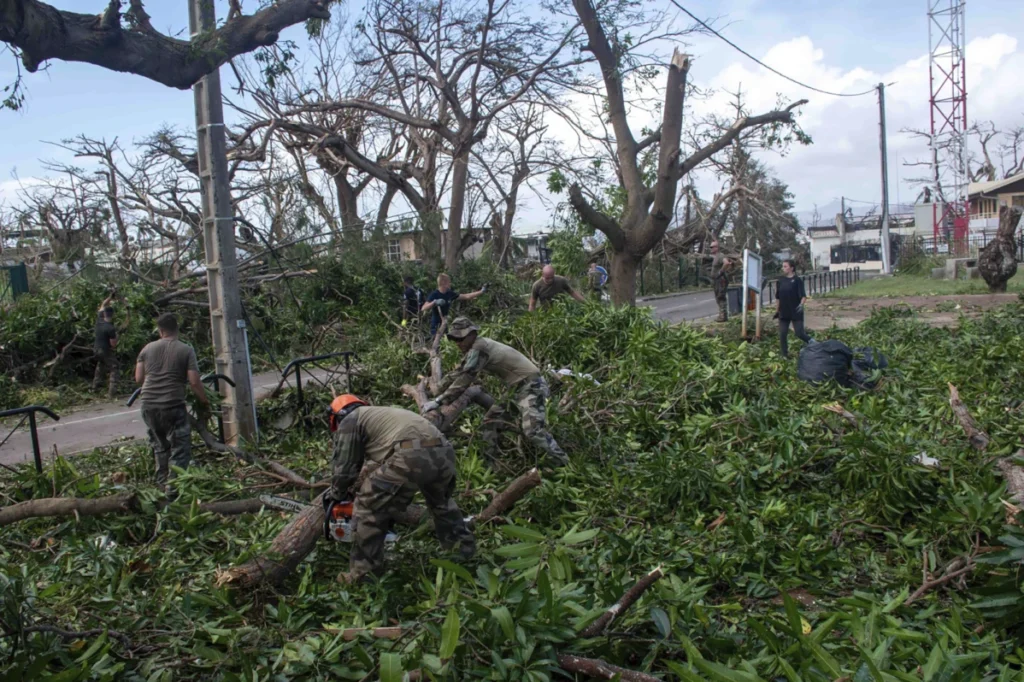
Cyclone Chido, a Category 4 storm with winds exceeding 220 kph (136 mph), caused widespread destruction across Mayotte and neighboring islands. While the cyclone also impacted Madagascar and Comoros, Mayotte bore the brunt of the storm. The island’s informal settlements, characterized by metal shacks, suffered the worst of the devastation. Bieuville expressed disbelief at the low official death toll, calling it “not plausible” given the extent of the damage.
French President Emmanuel Macron extended his condolences to the people of Mayotte, while Pope Francis offered prayers for the victims during a visit to Corsica. French authorities have mobilized extensive rescue operations, sending firefighters and military personnel from mainland France and the nearby island of Reunion. Over 80 tons of supplies, including food and medical aid, have been flown into the region, with more shipments expected in the coming days. French Interior Minister Bruno Retailleau is scheduled to visit Mayotte on Monday to oversee relief efforts.
The cyclone’s aftermath extends beyond Mayotte, with significant damage reported in northern Mozambique. More than 2 million people in Cabo Delgado province are facing severe challenges, with many homes, schools, and healthcare facilities destroyed. UNICEF has warned of a prolonged disruption to essential services and the heightened risk of landslides and flooding in the region.
As the cyclone season continues, Southern Africa remains vulnerable to further storms, with scientists warning that climate change is exacerbating the intensity of such events. In addition to the immediate destruction, the region faces ongoing risks from waterborne diseases like cholera, dengue fever, and malaria, which thrive in the aftermath of cyclones.
The ongoing humanitarian crisis in Mayotte and neighboring countries underscores the urgent need for international support to help these nations cope with the increasingly severe impacts of climate change.
