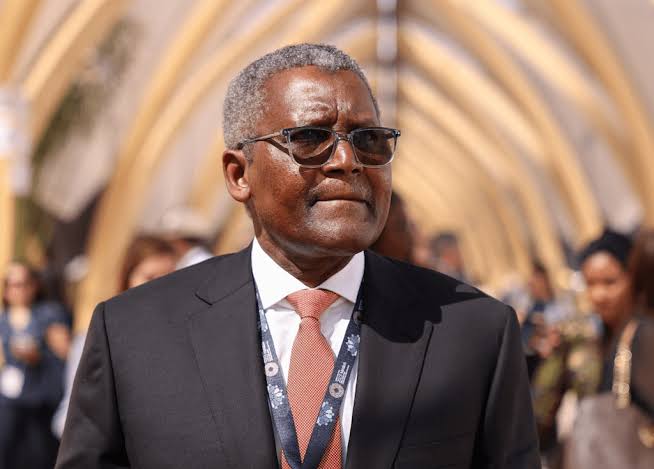
Africa’s richest man and President of the Dangote Group, Aliko Dangote, has expressed frustration over mounting logistics and regulatory hurdles that he says are undermining the competitiveness of his $20 billion Lekki refinery. Speaking at the Global Commodity Insights Conference in Abuja, Dangote disclosed that excessive port-related charges are making it more costly for oil marketers to lift petroleum products locally than to import from offshore storage terminals in neighbouring countries like Togo.
“In terms of port charges, it is currently more expensive to load a domestic cargo of petroleum products from the Dangote Refinery than from Lomé,” Dangote said, lamenting that marketers pay levies at both loading and discharge points when sourcing from the refinery — a cost not applicable when importing. He warned that such a structure discourages local refining, sustaining a 69 per cent reliance on imported, often substandard fuel, and derailing the government’s foreign exchange and energy security goals.
The concerns have reignited debates over the sustainability of Nigeria’s downstream petroleum market. Chinedu Ukadike, spokesperson for the Independent Petroleum Marketers Association of Nigeria (IPMAN), downplayed Dangote’s concerns for local buyers, stating that most domestic marketers load products directly from the gantry and avoid the cross-border charges that affect coastal imports. “It is easier and more cost-effective for local marketers to load within Nigeria,” Ukadike clarified.
However, other stakeholders voiced deeper frustrations with the refinery’s operational model. Executive Secretary of the Depot and Petroleum Products Marketers Association of Nigeria (DAPPMAN), Olufemi Adewole, accused the Dangote refinery of using “restrictive sales strategies” that hinder access to products. He cited a lack of pricing transparency and selective distribution. “We want to buy, but we can’t,” Adewole said. Similarly, Clement Isong of the Major Energy Marketers Association of Nigeria called for stronger regulatory oversight to prevent monopolistic practices and ensure a fair playing field for all market participants.
