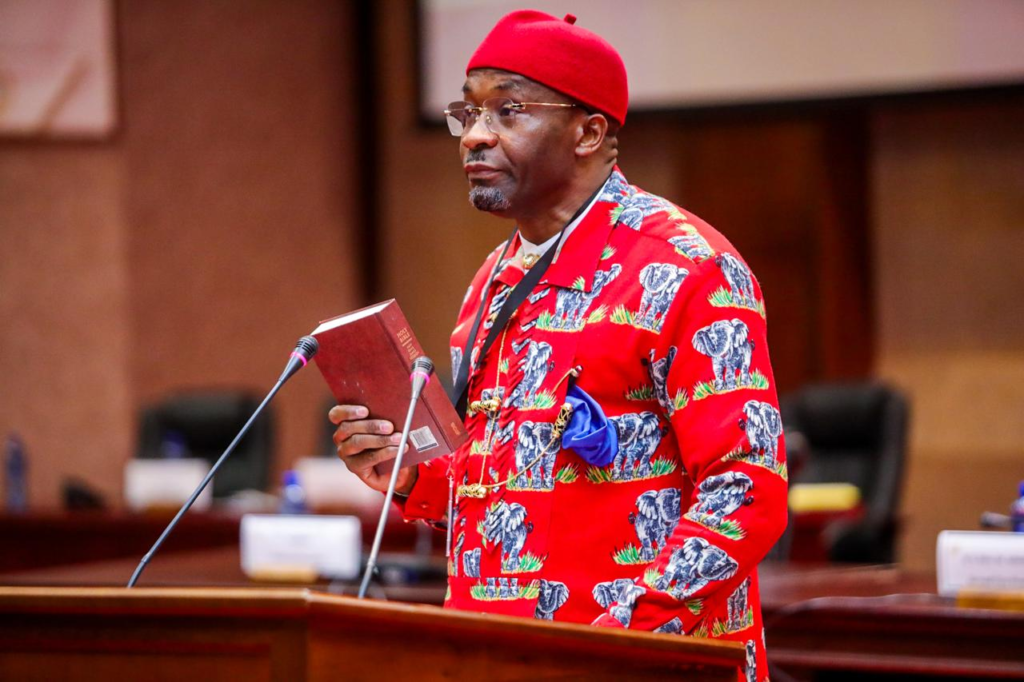
In a significant turn of events, Benjamin Okezie Kalu, the Deputy Speaker of the Nigerian House of Representatives, has withdrawn his controversial bill on indigeneship, following widespread public criticism and outrage. The proposed legislation, which sought to confer indigeneship on individuals based on birth, continued residence for at least ten years, or marriage, faced considerable pushback from various stakeholders.
Kalu, in a statement issued late Tuesday night by his Chief Press Secretary, Levinus Nwabughiogu, explained that the decision to withdraw the bill was based on “constructive feedback” and concerns raised by stakeholders. According to Kalu, further legislative engagements would take place before any subsequent reintroduction of the bill.
Controversial Provisions and Backlash
The proposed bill aimed to establish a more inclusive approach to indigeneship, offering rights and privileges to people who have lived in a state for over a decade or have married into a particular state. However, critics expressed reservations over the bill’s potential to create complications, such as double or multiple indigenships, which could lead to legal and administrative challenges.
The bill was met with fierce criticism, particularly on social media platforms, where Nigerians raised concerns about the unintended consequences of such legislation. Two members of the House of Representatives, James Abiodun Faleke and Blessing Amadi, distanced themselves from the bill, further fuelling the public’s discontent.
An Open Dialogue for National Unity
While the bill aimed to foster national unity, Kalu emphasized that the “State Houses of Assembly” should be responsible for enacting laws that allow settlers in various states to enjoy the same rights and privileges as indigenes. The National Institute for Legislative and Democratic Studies (NILDS) also cautioned that such a proposal could only be achieved through state-specific legislation, not a blanket national law.
In his statement, Kalu stressed the importance of dialogue and consensus-building in shaping future legislative proposals. “As leaders and Representatives, we remain committed to ensuring that every legislative proposal reflects the aspirations of the people we serve,” he said.
Moving Forward: Engaging the Public
Kalu, who also chairs the House’s Constitution Review Committee, reiterated his commitment to ensuring that all legislative processes remain transparent and inclusive. He called on Nigerians to continue engaging with the Committee on Constitutional Review, assuring them that the process would be guided by openness and consensus.
“The Constitution Review process remains an open, inclusive, and participatory exercise, and no provision or proposal will be pursued without adequate dialogue and consensus-building,” Kalu affirmed.
Conclusion
The withdrawal of the bill underscores the importance of public engagement and feedback in the legislative process. As Nigeria moves towards strengthening its democratic institutions, this episode serves as a reminder that legislative actions must be carefully considered to avoid division and unintended consequences. Kalu’s move to retract the bill reflects the dynamic nature of governance, where public opinion plays a crucial role in shaping policies that affect millions of Nigerians.
