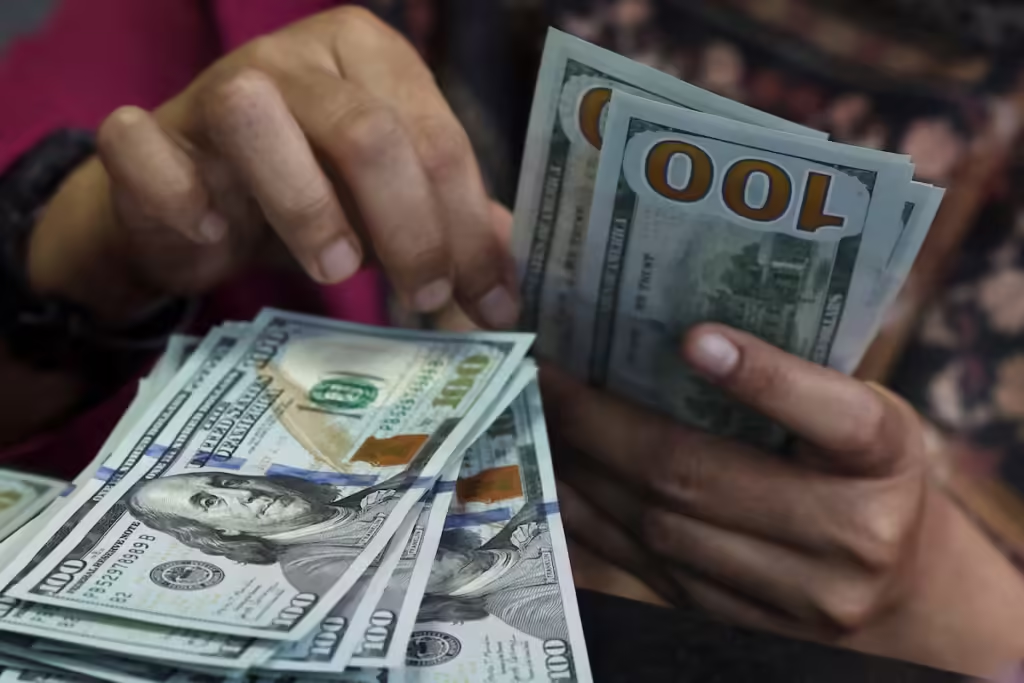
The U.S. dollar remained weak on Wednesday after falling overnight, following President Donald Trump’s announcement of a new trade deal with Japan that lowered impending tariffs and promised major Japanese investment in the U.S. economy.
Trump revealed via Truth Social that the U.S. would impose a reduced 15% tariff on Japanese imports, down from the 25% rate originally set to take effect on August 1. He added that Japan has agreed to invest $550 billion in the United States and to open its markets to U.S. automobiles, rice, and agricultural products.
The dollar index hovered at 97.48 after three days of losses, down 6.6% since Trump’s April 2 “Liberation Day” tariff announcement. Meanwhile, the yen reversed earlier gains and weakened after reports emerged that Japanese Prime Minister Shigeru Ishiba plans to resign by the end of August, following his coalition’s election setback. The dollar traded at 146.90 yen, up 0.2% on the day.
Michael McCarthy of Moomoo Australia noted, “Dollar softness seems to be our opening proposition,” citing a dovish tilt in market sentiment, also visible in U.S. bond markets. Concerns over Federal Reserve independence continue to weigh on investor sentiment, as Trump has repeatedly criticized Fed Chair Jerome Powell for resisting rate cuts.
Amid currency market uncertainty and narrow trading ranges, Wall Street stocks have hit new highs. Still, U.S. Treasury Secretary Scott Bessent emphasized that the administration is prioritizing the quality of trade deals over speed, suggesting tariff deadlines may shift for countries making progress in talks with Washington.
