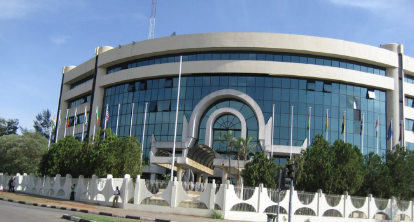
The Economic Community of West African States (ECOWAS) has officially approved the design for the highly anticipated $15 billion Lagos-Abidjan Corridor Highway Development Project. This approval was granted during a high-level meeting in Lagos, Nigeria, chaired by Nigeria’s Minister of Works, Dave Umahi.
The meeting focused on the advancement of the regional project, with the group confirming that the procurement process will be initiated at their next gathering. Minister Umahi noted that the project, first conceived in 2013, has received considerable funding from the African Development Bank (AfDB) and has reached a crucial phase. With the design now approved, the initiative is expected to move forward toward implementation.
The Lagos-Abidjan Highway, currently in its study phase, remains a top priority for the ECOWAS bloc. The project is seen as a vital catalyst for deepening regional economic integration, enhancing trade, tourism, and economic activities across West Africa. Once completed, the 1,068-kilometer highway will traverse five ECOWAS member states, including Nigeria, Benin, Togo, Ghana, and Côte d’Ivoire, connecting eight border towns and four country-pair land borders. The corridor will begin at Eric Moore in Lagos and extend to Abidjan in Côte d’Ivoire.
In addition to Minister Umahi’s remarks, Ghana’s Minister of Roads and Highways, Francis Boakye, underscored the importance of road infrastructure in driving socio-economic development. He emphasized how highways like the Lagos-Abidjan corridor could enhance regional connectivity and foster economic growth, citing the United States’ economic boom as an example of the positive relationship between transportation infrastructure and development.
Scheduled to commence in 2025, the Lagos-Abidjan Corridor Highway is part of the broader Dakar-Lagos Corridor, which serves as one of ECOWAS’ flagship development programs. Once completed, the project is expected to revolutionise regional trade routes, boost tourism, and promote economic integration across West Africa.
The project remains financed by the African Development Bank (AfDB), which has been instrumental in its development, funding key components such as design, environmental impact assessments, and feasibility studies. With the design now approved, the focus will shift to the procurement phase, marking a significant step toward the project’s realisation.