Across various states in Nigeria, citizens are enduring worsening electricity supply issues, despite recent tariff hikes. From industrial zones in Kano and Kaduna to households in Lagos, Ogun, and Plateau, the frustration is palpable. Small business owners and residents alike have voiced their concerns to Daily Trust, describing a system that, they say, has failed to meet their needs.
The Nigerian Minister of Power, Adebayo Adelabu, acknowledged the situation through his media aide, Bolaji Tunji. He stated that while the government is working towards a solution, “we won’t get there overnight.”
In February 2024, President Bola Ahmed Tinubu signed into law the Nigeria Electricity Act (Amendment) Bill, aimed at decentralising power generation, giving states control over their electricity needs. As of now, 11 states—Enugu, Ondo, Ekiti, Imo, Oyo, Edo, Kogi, Lagos, Ogun, Niger, and Plateau—have domesticated this Act. However, many residents still face unreliable power supply and, in some cases, low voltage, while business owners contend with escalating electricity costs that continue to squeeze their finances.
In an unexpected turn, the Nigerian Electricity Regulatory Commission (NERC) revealed that the Enugu Electricity Regulatory Commission (EERC) lacks the power to regulate prices for electricity supplied from the national grid. This announcement came after the EERC reduced tariffs for Band A customers in the state.
Power Shortages and High Bills: A National Crisis
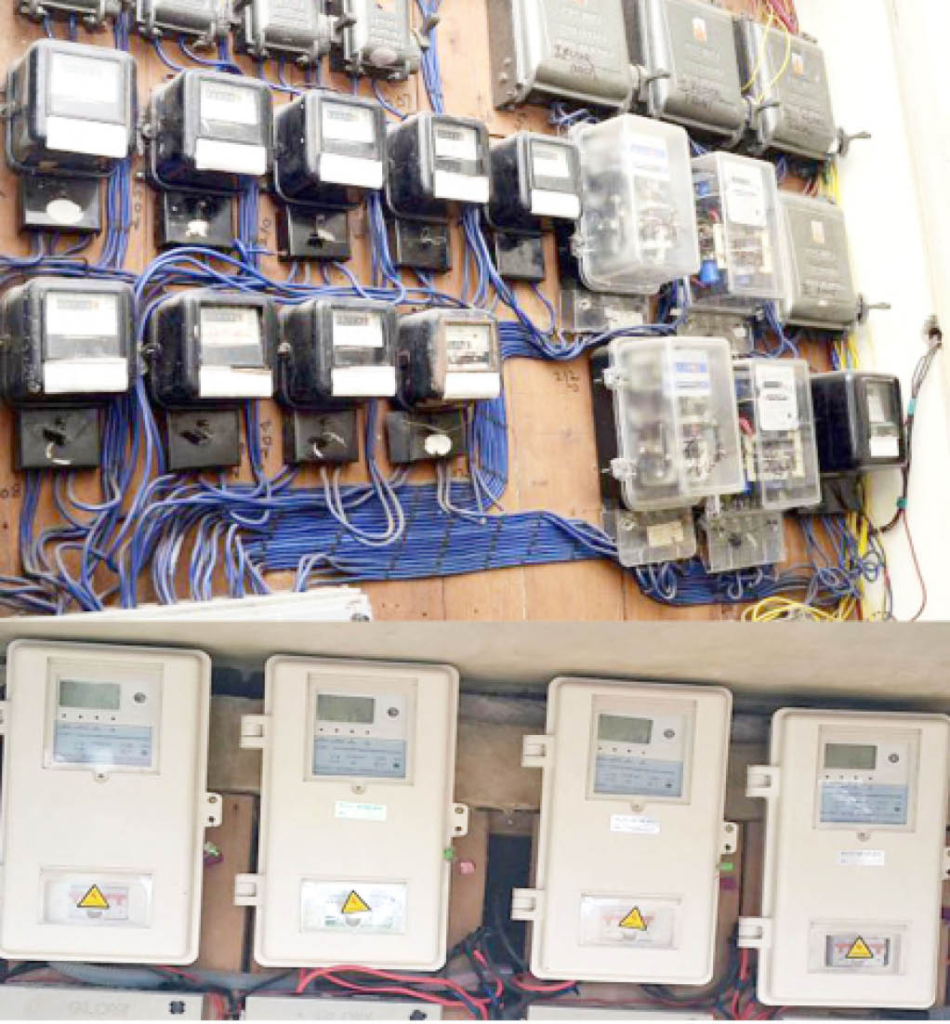
Consumers in Band A, who are promised 20 hours of daily power, have voiced concerns over their electricity supply, with many reporting low power availability despite soaring tariffs. The lack of meters, leading to estimated billing, has exacerbated the issue for many. According to NERC, only 6.4 million of the 13.8 million registered electricity customers across Nigeria’s distribution companies are metered, leaving 53.2% unmetered.
In Kano’s industrial hubs, such as Sharada and Dakata, factory owners have reported that they continue to rely on costly diesel generators due to frequent power cuts. The Kano Electricity Distribution Company (KEDCO) has explained that power allocation dropped from 300MW to 130MW in the past weeks due to ongoing maintenance on a critical transmission line.
Yusuf Bello Yakasai, a small-scale industrialist in the Sharada Industrial Area, revealed that electricity expenses are consuming over 60% of his monthly earnings. “Despite using heavy machines, I end up paying as much as N4 million monthly for electricity,” he lamented. “The supply is inconsistent, and we’re often forced to rely on generators, yet the meters keep recording the usage.”
The Strain on Small Businesses
In Maiduguri, Borno State, businesses, including banks, are grappling with power shortages of less than three hours a day, forcing them to rely on costly diesel to keep operations running. Mohammed Bukar, Manager of Maiduguri Flour Mills, shared, “We virtually operate on diesel because of unreliable power. This has caused major disruptions, and the power bills are exorbitant—often between N500,000 to N1 million.”
Business owners in Kaduna have echoed similar sentiments, with many saying electricity tariffs are now consuming over 60% of their monthly income. Abraham Benson, the Managing Director of BEMAK International, a printing firm, described the escalating costs as unbearable, affecting every aspect of his business.
State Autonomy and Solar Power: The Way Forward?
Despite the challenges, some residents and business owners are hopeful that the ongoing decentralisation of power generation will bring relief. Adamu Ismail, a Band A customer in Kano, is even considering solar energy as a more sustainable alternative. “In a few months, I’ll have all the equipment to run my home entirely on solar. I can’t keep spending over N200,000 monthly on electricity,” he said.
In Borno, businesses have been forced to turn off from the national grid altogether, citing damaging power surges and crippling costs.
The Call for Reform
Experts like Adetayo Adegbemle, convener of PowerUp Nigeria, suggest that states should leverage their natural resources, such as coal in Enugu or solar in Jigawa, to reduce electricity costs. “States can’t demand lower tariffs for power they don’t generate. States like Enugu should start generating electricity with coal to bring down prices,” he advised.
Lanre Elatuyi, another energy expert, stressed that tariff battles alone will not resolve Nigeria’s energy crisis. “Fixing generation and distribution capacity should be the priority,” he added.
Government’s Stance on Progress
In response to the ongoing issues, Bolaji Tunji, the media aide to the Minister of Power, refuted claims that no improvements have been made in the sector. He pointed to recent efforts, such as the commissioning of projects in Oyo State under the Siemens project, which he said is strengthening the grid. “There has been improvement,” he assured, “and we have not had any grid collapse this year.”
Despite the government’s assurances, the situation remains dire for many Nigerians, who continue to face a precarious energy future amid rising costs.
