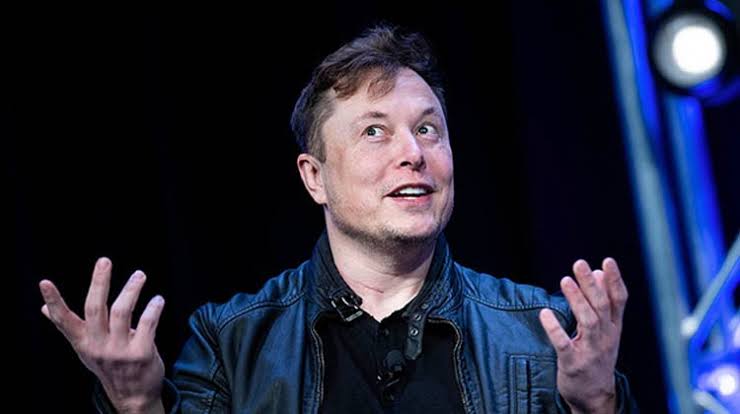
Elon Musk, billionaire owner of Tesla and X, saw his wealth jump by around $13 billion just hours after Donald Trump’s victory in the U.S. presidential election. Early Wednesday, investors responded positively to Trump’s win, viewing it as favorable for Musk’s primary public asset, Tesla (TSLA). This optimism lifted Tesla’s stock price by 13% at market open, according to CNN, boosting the value of Musk’s 411 million Tesla shares by over $13 billion—a return of more than 11,000% on the $119 million he invested to support Trump.
Musk has emerged as a significant supporter of Trump, with Federal Election Commission records showing he donated nearly $119 million to a political action committee he created to back the former president. Musk has also participated in Trump rallies and hosted a free interview with him on X, his social media platform.
“He’s made a significant bet on this election, fully committing to his support,” said Daniel Ives, a tech analyst at Wedbush Securities.
A substantial part of Musk’s net worth is tied to the government support that Tesla and SpaceX have received over the years, and such support would likely have continued under a Harris administration. Trump’s victory, however, could affect this government backing for electric vehicles, potentially impacting Musk’s wealth, though Tesla may still find some advantages if support diminishes.
Musk celebrated Trump’s win on X late Tuesday and early Wednesday, posting, “The people of America gave @realDonaldTrump a crystal clear mandate for change tonight.”
Trump’s presidency, however, could also present obstacles for Musk’s investments. Trump has voiced skepticism about electric vehicles, calling them costly, limited in range, and harmful to American jobs and the auto industry. While a reduction or removal of federal support for EVs could challenge Tesla, it may not be as damaging as expected.
Trump has also pledged to repeal what he calls “Biden’s EV mandate,” though no such mandate formally exists, leaving his intentions uncertain. Under the Biden administration, significant government support for EV development has been implemented, including billions in loans to encourage domestic EV and battery production, funding for charging stations, and a $7,500 tax credit for eligible EV buyers.
