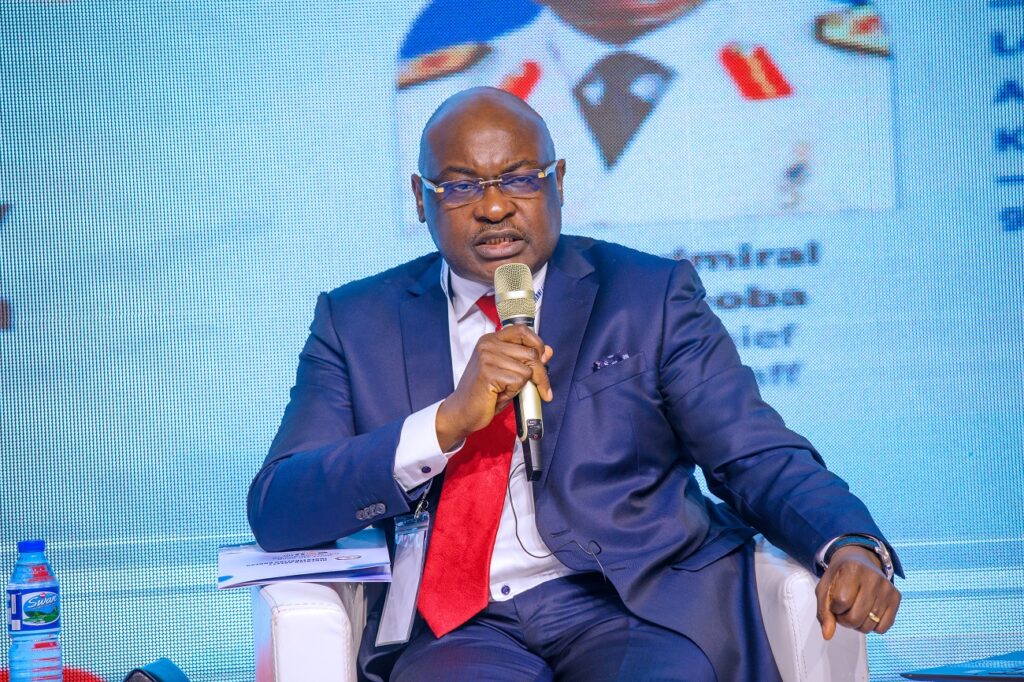
Former Managing Director of the Nigerian Railway Corporation (NRC), Engineer Seyi Sijuwade, has criticised the practice of using internal investigations to probe rail accidents, warning that it compromises transparency, enables cover-ups, and puts public safety at risk.
Speaking at the NSIB Multimodal Transportation Stakeholders Workshop in Abuja, themed “Strengthening Transport Safety Standards Through Collaboration”, Sijuwade said the self-regulating approach allows conflicts of interest, as operational staff are tasked with investigating incidents they may have contributed to.
“We have seen cases where train drivers remain loyal to their line managers. When faults occur due to poor maintenance, reports often protect those in charge. Investigations led by operational staff cannot guarantee truth or objectivity,” he said.
Sijuwade argued that critical evidence is often lost or suppressed due to a culture of fear and institutional self-protection, stressing that those who operate trains should not be the ones investigating accidents involving them.
He called for the Nigerian Safety Investigation Bureau (NSIB) to take the lead in all transport accident probes, citing the UK’s model where investigation, regulation, and operations are handled by separate entities. He also recommended creating an enforcement agency to ensure that NSIB’s safety recommendations are implemented, as the Bureau currently lacks enforcement powers.
Sijuwade further urged the establishment of whistleblower protections, anonymous reporting channels, and formal agreements between the NSIB and emergency response agencies for coordinated action during accidents.
“When a crash happens, the first point of contact should be the NSIB — not the police, not security agents. Their role is to uncover causes and prevent recurrence, not to assign blame,” he stressed.
