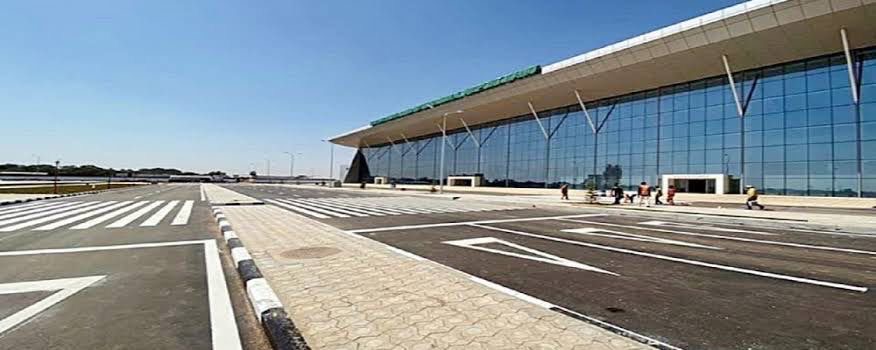
The Federal Government has approved a comprehensive upgrade of key airports across the country to improve safety, increase efficiency, and enhance passenger experience.
At the Malam Aminu Kano International Airport in Kano, the Federal Executive Council has allocated ₦46.39 billion for the refurbishment of runways and taxiways. The project will also upgrade airfield lighting to meet Category Two CAT 2 standards. The entire rehabilitation is scheduled to be completed within 24 weeks, with the aim of improving operational safety and reducing flight delays caused by poor weather.
Similar improvements have been approved for the Port Harcourt International Airport. The runways and taxiways will be upgraded, along with new CAT 2 standard airfield lighting. This rehabilitation has been approved at a cost of ₦42.14 billion.
In Lagos, work will begin on enhancing the airfield lighting on Runways 18 Left and 36 Right, as well as Taxiways B and C. The upgrade will involve installing CAT 2 compliant LED systems. The contract is valued at ₦44.13 billion, with a project timeline of 30 weeks.
Additionally, to improve operations at the Lagos domestic terminal, the Federal Executive Council has approved the overhaul of more than 82,000 square meters of apron areas. This project, estimated at ₦24.27 billion, will be carried out in phases over 17 and a half months. The goal is to expand aircraft parking capacity and enhance ground traffic flow.
The Council has also approved the full business case for a 30 year concession of Akanu Ibiam International Airport in Enugu. This decision is part of a broader strategy to ensure financial sustainability in the aviation sector.
Minister of Aviation and Aerospace Development, Festus Keyamo, explained that while major airports such as Lagos, Kano, and Abuja generate profits, many smaller airports operate at a loss.
He stated, “Most of the smaller airports apart from the major ones are running at a loss. The profits we make from Kano, Lagos, and Abuja often go into keeping these others alive. That has always been the plan of this administration to concession some airports to private individuals and entities so they can run them profitably.”
These strategic upgrades and reforms reflect the Federal Government’s commitment to modernising Nigeria’s aviation infrastructure and attracting private sector participation for long term sustainability.
