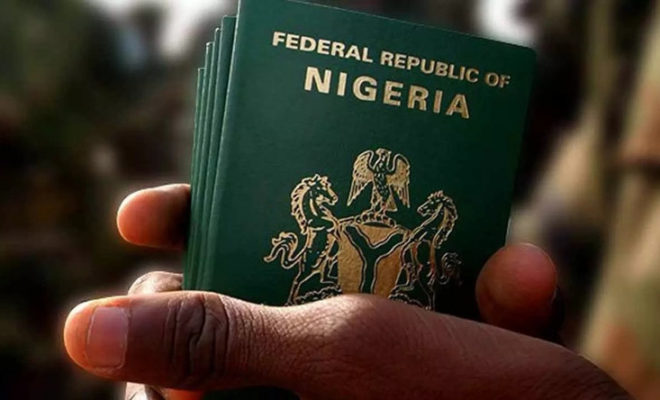
The Federal High Court of Nigeria delivered a landmark judgment on December 4, 2024, declaring that delays in issuing Nigerian passports beyond six weeks contravene the law and infringe upon citizens’ fundamental right to freedom of movement.
Justice Emeka Nwite presided over the case, Benita Ngozi Ezumezu vs. Nigeria Immigration Service (NIS) and the Minister of Interior, in Suit No. FHC/ABJ/CS/75/2023. The court also ordered the Nigeria Immigration Service to pay N3 million in damages to the applicant for losses incurred due to her inability to travel for professional duties.
The applicant, Benita Ngozi Ezumezu, sought redress for the delay in issuing her Nigerian passport despite fulfilling all requirements, including biometric enrollment, on October 6, 2022. According to Section 9(4) of the Immigration Act 2015, passports must be issued promptly upon meeting all requirements. However, Ezumezu did not receive her passport even after 14 weeks, prompting her to file a lawsuit on January 18, 2023.
Ezumezu argued that the delay violated her constitutional right to freedom of movement under Section 41 of the Nigerian Constitution (1999, as amended) and Article 12 of the African Charter on Human and People’s Rights.
Justice Nwite ruled in favor of the applicant, declaring that the NIS’s failure to issue the passport within six weeks breached the law. The judgment emphasized that Ezumezu had demonstrated urgency in requiring the document for professional duties, further substantiated by submitted evidence.
The court directed the Nigeria Immigration Service to:
1. Issue the applicant’s passport immediately.
2. Pay N3 million in general damages for the losses caused by the delay.
This ruling sets several important legal precedents. It reinforces the Nigerian passport as a fundamental identity document affirming citizenship rights. It also establishes that delays exceeding six weeks, after fulfilling all requirements, contravene Section 9(4) of the Immigration Act 2015 and violate the constitutional right to freedom of movement.
The judgment holds the Nigeria Immigration Service accountable for adhering to the stipulated six-week timeframe for passport issuance. It also sets a precedent for citizens to seek legal redress and damages if delays occur.
The Minister of Interior is now tasked with ensuring strict compliance, potentially transforming passport processing standards in Nigeria. Applicants facing similar delays may now rely on this judgment to protect their rights.
This case is a victory for public interest, marking a step forward in safeguarding the rights of Nigerian citizens.
