The Federal Government has revealed that it spends over N200 billion monthly on electricity subsidies, a significant portion of which benefits the wealthiest 25% of Nigerians rather than those in genuine need.
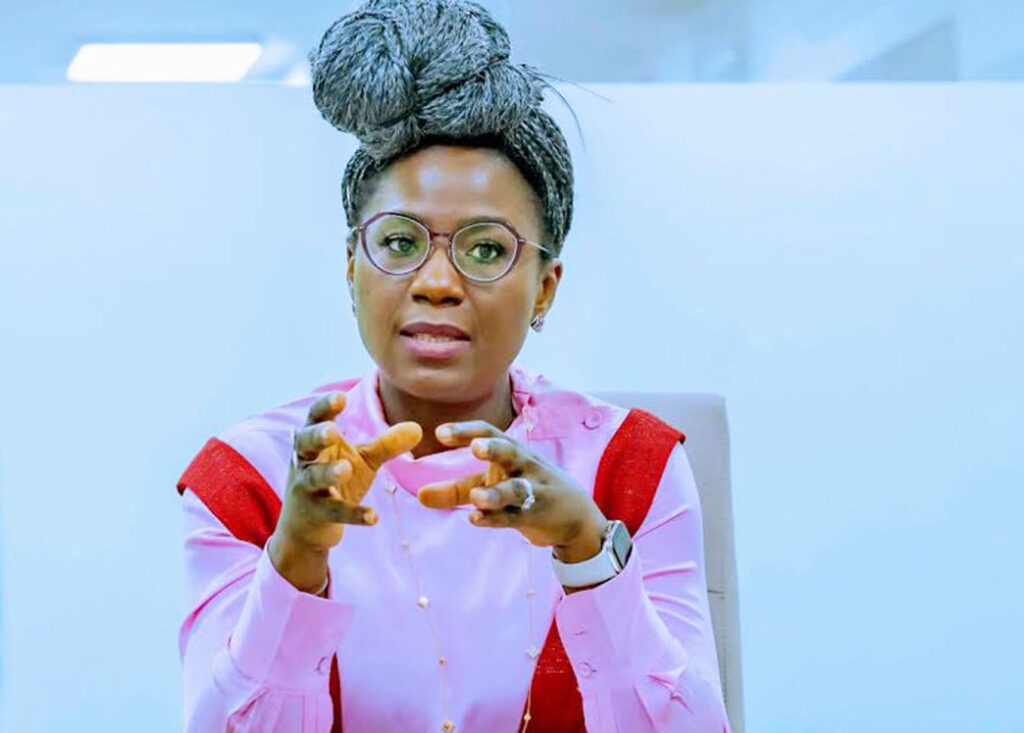
The Special Adviser to President Bola Tinubu on Energy, Olu Verheijen, made this disclosure in a statement on Monday while addressing reports about a potential increase in electricity tariffs.
Clarification on Tariff Increase
Reacting to reports that she suggested an imminent 65% increase in electricity tariffs, Verheijen denied making such a claim, clarifying that her statement had been misrepresented.
“It has become necessary to clarify media reports suggesting an imminent 65% increase in electricity tariffs. This is a misrepresentation of what I actually said in a recent press interview. I highlighted the fact that, following the increase in Band A tariffs in 2024, current tariffs now cover approximately 65% of the actual cost of supplying electricity, with the Federal Government continuing to subsidize the difference,” she said.
She emphasized that while the government is committed to fairer pricing in the long run, its immediate focus remains on improving electricity supply, reducing power outages, and ensuring that the poorest Nigerians are protected.
FG’s Plan for Targeted Subsidies
To address the inefficiency of the current subsidy system, Verheijen disclosed that the government is working towards a targeted subsidy framework, ensuring that low-income households receive the most support.
“Today, the Federal Government spends over N200bn per month on electricity subsidies, but much of this support benefits the wealthiest 25% of Nigerians rather than those who truly need assistance. To address this, we are implementing a targeted subsidy system that will make electricity more affordable and accessible for millions of hardworking families,” she stated.
Presidential Metering Initiative
Addressing concerns about unmetered customers paying for services they do not receive, Verheijen reassured Nigerians that the government is tackling the issue through the Presidential Metering Initiative.
“One of the most significant steps in this reform is the Presidential Metering Initiative, which aims to roll out seven million prepaid meters nationwide, starting this year. This initiative will eliminate estimated billing, increase transparency, and ensure consumers pay only for what they use,” she explained.
She further noted that metering will improve revenue collection across the power sector and attract new investments to strengthen Nigeria’s power infrastructure.
Clearing Debts to Power Companies
Verheijen highlighted that the government is actively working to resolve one of the major roadblocks to improved power supply: the mounting debts owed to power generation companies.
“For years, these debts have prevented investments in new infrastructure and hampered efforts to improve electricity supply. By clearing these obligations, the government is ensuring that power companies can reinvest in better service delivery, stronger infrastructure, and a more stable electricity supply for all Nigerians,” she said.
Government’s Broader Energy Reforms
The government is also introducing fiscal incentives, including Value Added Tax (VAT) and Customs Duty Waivers, to reduce the cost of alternative power sources such as Compressed Natural Gas (CNG) and Liquefied Petroleum Gas (LPG).
Verheijen reassured Nigerians that all power sector reforms are aimed at improving their daily lives.
“The government fully understands the economic realities facing citizens and is committed to ensuring that reforms in the power sector lead to tangible improvements. Every policy is designed with the Nigerian people in mind — eliminating unfair estimated billing, ensuring subsidies reach the right people, and creating a stable, affordable electricity supply,” she stated.
HURIWA Condemns Proposed Tariff Hike
Meanwhile, the Human Rights Writers Association of Nigeria (HURIWA) has criticized the government’s proposal to increase electricity tariffs, warning that such a move could trigger public unrest.
In a statement on Monday, HURIWA’s National Coordinator, Emmanuel Onwubiko, described the proposed hike as “toxic, unconstitutional, and a direct assault on the economic survival of Nigerian citizens.”
He argued that the decision was ill-timed, given the economic hardship currently affecting millions of Nigerians.
While the Federal Government is pushing for reforms in the electricity sector, including targeted subsidies, metering initiatives, and debt clearance, concerns remain about the potential tariff increase and its impact on struggling households. As these policies unfold, Nigerians will be watching closely to see if these measures bring real relief and stability to the nation’s power sector.
