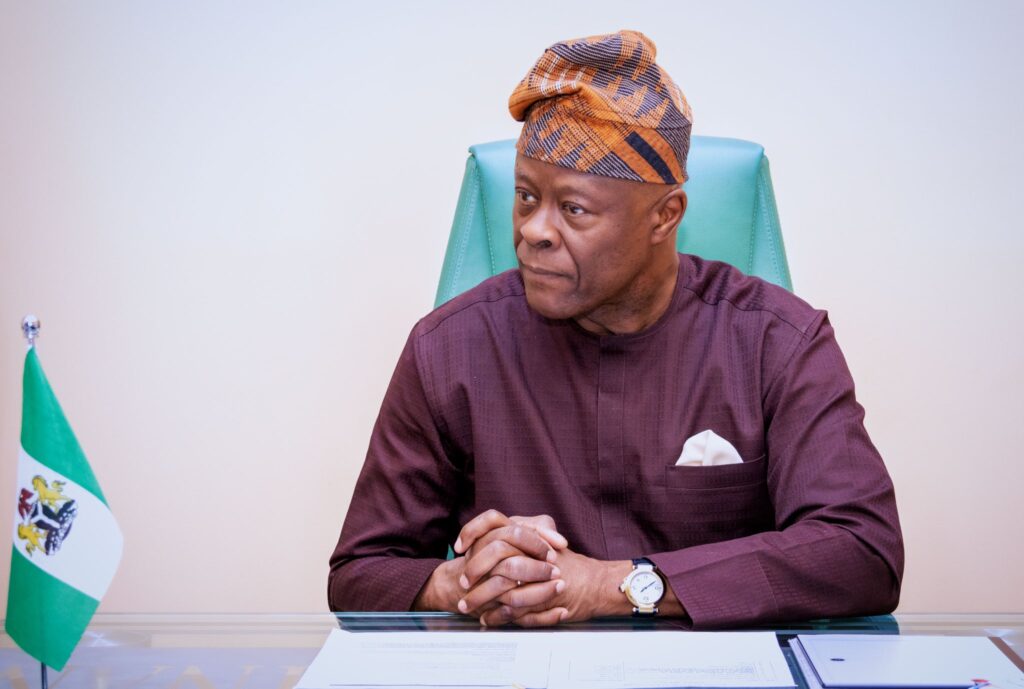
Minister of Finance and Coordinating Minister of the Economy, Wale Edun, is driving a significant transformation in Nigeria’s fiscal policies amid a 3.46% year-on-year economic growth in the third quarter of 2024. The National Bureau of Statistics (NBS) reported this growth on Monday, an improvement from the 3.19% recorded in the previous quarter.
Under Edun’s leadership, Nigeria is shifting from unsustainable financing methods, such as the Central Bank of Nigeria’s (CBN) ‘Ways and Means’ facility, to more structured debt market strategies. This shift was marked by the Senate’s approval of President Bola Tinubu’s $2.2 billion loan request, a move aimed at ensuring fiscal stability and economic sustainability.
For years, the government relied on the CBN’s ‘Ways and Means’ facility to address budget shortfalls, leading to inflation, currency depreciation, and a public debt burden exceeding ₦23 trillion by the end of 2023. Recognizing the dangers of this approach, Edun has championed reforms to phase out money printing and embrace international loans, bonds, and investments tied to tangible developmental objectives.
The newly approved $2.2 billion loan, secured from international financial institutions with long-term repayment terms, reflects Edun’s commitment to transparent and sustainable financing. The funds are part of a broader strategy to reduce Nigeria’s reliance on short-term debt instruments and build investor confidence. By prioritizing projects that align with economic reforms, the government aims to foster stability and attract foreign direct investment.
Edun’s efforts align with global standards for fiscal governance, positioning Nigeria as a partner of choice for international lenders and investors. However, the success of these reforms hinges on effective fund management and tackling corruption, long-standing challenges in Nigeria’s public sector.
Experts emphasize that improving domestic revenue generation remains critical to maintaining fiscal sustainability. Diversifying beyond oil exports, implementing tax reforms, and broadening the tax base are necessary steps to avoid future fiscal crises.
While challenges persist, Edun’s fiscal reforms signal a departure from quick fixes and lay the foundation for a more stable and prosperous Nigeria. With continued collaboration among stakeholders, the Tinubu administration’s policies could mark the beginning of a transformative era for the country’s economy.
