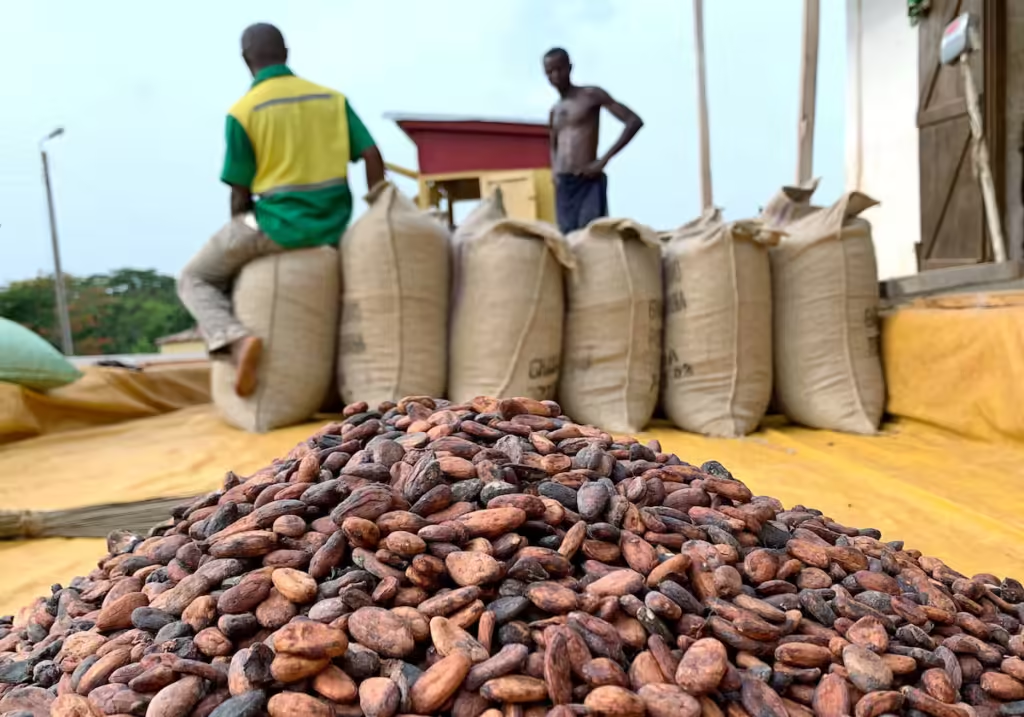
Ghana, the world’s second-largest cocoa producer, anticipates a strong rebound in cocoa production for the 2024/25 crop season, bolstered by favorable weather and improved farming practices. The Ghana Cocoa Board (Cocobod), along with local farmers and buyers, report healthier cocoa pods this season thanks to adequate rainfall, sunshine, and the timely use of fertilizers and pesticides.
Ghana’s cocoa sector took a severe hit last season, with production dropping below 55% of its average output – the lowest in over 20 years. Yet optimism has returned, with projected output estimated to reach 650,000 tons this season, though an official from the International Cocoa Organization (ICCO) provided a more conservative forecast of 500,000 tons.
“The crop is amazing; the trees are productive, and you can count not less than 50 pods per tree,” said Abdul-Majid Mumuni, head of Cocobod’s cocoa health and extension division in Ghana’s southeastern region. Ocran Christopher, secretary of a farmers’ group in Asamankese district, noted a substantial improvement in yields, sharing that they have already harvested 500 bags since September, compared to 820 bags over the entire previous season. “If things remain like this, we can harvest 2,000-2,500 bags,” he added.
Despite the promising outlook, several obstacles loom. Illegal mining, disease threats, and rampant cocoa smuggling challenge the sector’s growth. Cocobod officials estimate that Ghana lost over a third of its cocoa output to smuggling last season.
To counteract smuggling, the regulator has increased farmgate prices by nearly 45% and introduced a new funding model, requiring global buyers to pay in advance for part of the cocoa bean shipments. The model aims to stabilize funding and deter trafficking, though reactions have been mixed. A licensed cocoa buyer warned that limited funds could slow purchases and inadvertently encourage smuggling.
The global cocoa market also faces constraints, with supply issues in both Ghana and Ivory Coast – the largest cocoa producer – contributing to a four-year supply deficit. This shortage has driven cocoa prices to record highs, impacting chocolate production costs globally.
Cocobod officials remain hopeful yet cautious, as the 2024/25 season is still young. The recovery of Ghana’s cocoa sector hinges on sustained weather patterns and managing ongoing challenges in what will likely be a critical year for the cocoa market.
