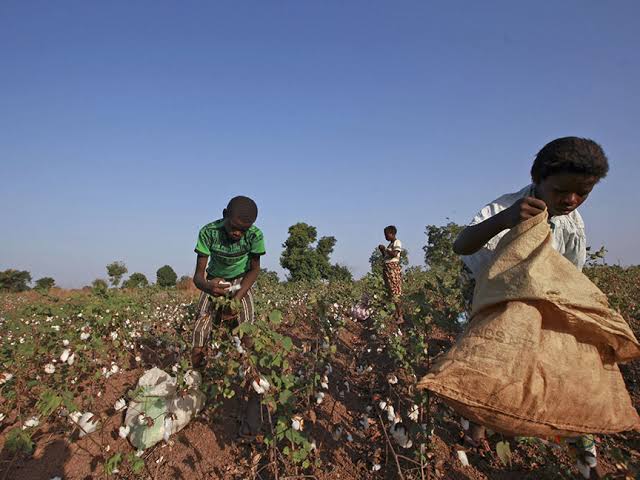
Some of the world’s leading apparel brands have sourced cotton from Indian farms accused of employing child and bonded laborers, according to a report released Tuesday by US-based rights group Transparentem.
The investigation, conducted between 2022 and 2023, examined working conditions on 90 cotton farms in Madhya Pradesh, India. It revealed “widespread use of child labor and illegal adolescent labor,” the New York-based nonprofit stated. Transparentem described the abuses as “endemic to the region” and suggested they likely extended to other farms in the area.
Labor Law Violations
Indian law prohibits children under 14 from working in most circumstances and bans those aged 14 to 18 from hazardous occupations. Despite this, poverty and weak enforcement have left more than 10 million Indian children, aged five to 14, working—mostly in agriculture.
The report also found evidence of forced labor and abusive working conditions, including practices resembling bonded labor, or “debt slavery,” where workers are trapped in a cycle of repaying loans with mounting interest.
The 2024 List of Goods Produced by Child Labor or Forced Labor by the US Department of Labor also identified child labor in Indian cotton production, underscoring the systemic nature of the issue.
Supply Chain Links to Major Brands
Transparentem’s investigation revealed that cotton from the implicated farms was supplied to three Indian companies, which sold cotton-based products to global brands, including Adidas, H&M, and The Gap.
In response, the brands told Transparentem they adhere to sourcing arrangements designed to avoid forced labor. The advocacy group reported that it contacted 60 international buyers and the three Indian suppliers in late 2023 to share its findings and recommend corrective actions.
Several companies responded, stating they already participate in ethical sourcing initiatives, and many began collaborating on measures to address the allegations.
Open Market Sales and Broader Implications
The report noted that cotton from the investigated farms was also sold on the open market, making it “highly likely” that many other companies are indirectly linked to the exploitative practices.
“The investigation uncovered grave abuses that appear to be endemic to the region,” Transparentem concluded, urging global apparel brands to intensify efforts to ensure ethical sourcing and improve transparency in their supply chains.
