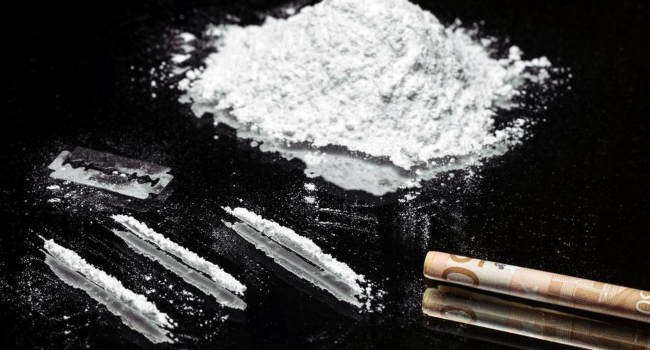
The global cocaine market has reached unprecedented levels in 2023, according to the United Nations Office on Drugs and Crime (UNODC). The surge in illicit cocaine production, seizures, and consumption marks a worrying trend in the world’s fastest-growing illegal drug market.
Record Cocaine Production and Seizures
The UNODC’s latest report reveals that cocaine production surged to 3,708 tons in 2023—an alarming 34% increase from 2022, and more than quadruple the amount produced a decade ago. The rise in production is attributed primarily to the expanding coca bush cultivation in Colombia, coupled with updated yield data.
Global seizures of cocaine also reached new heights, with a total of 2,275 tons confiscated in 2023. This represents a significant 68% increase in cocaine seizures over the past four years, underscoring the growing scale of the problem.
“The increase in cocaine seizures reflects both the scale of the illicit market and the efforts by authorities to disrupt drug trafficking operations,” said UNODC chief researcher Angela Me. However, the increasing trend is also fueled by a rise in the number of cocaine users worldwide.
Growing Cocaine Use
In 2023, an estimated 25 million people used cocaine, up from 17 million ten years earlier. The growth in usage is a troubling sign of cocaine’s expanding reach, particularly among affluent populations. “Cocaine has become fashionable for the more affluent society,” Me noted, highlighting a “vicious cycle” of rising demand and greater production.
Shifting Drug Trafficking Routes
While Colombia remains the primary source of global cocaine, traffickers are increasingly turning to new markets across Asia and Africa. Organised crime groups, particularly from the Western Balkans, are extending their influence, adapting to shifting geopolitical and economic landscapes.
“A new era of global instability has intensified challenges in addressing the world drug problem, empowering organised crime groups and pushing drug use to historically high levels,” the UNODC stated.
The Rise of Captagon and Synthetic Drugs
The report also noted the rise of other illicit drugs, including amphetamine-type stimulants and synthetic opioids such as fentanyl. Seizures of amphetamines reached a record high in 2023, accounting for nearly half of all global seizures of synthetic drugs.
The crisis in Syria, marked by the fall of President Bashar al-Assad in December 2023, has introduced further uncertainties in the global drug market, especially regarding the trade in Captagon—a powerful stimulant that became Syria’s largest illicit export. However, new reports from 2024 and 2025 suggest that Captagon is still being trafficked, mainly to countries in the Arabian Peninsula.
Drug Use on the Rise
The UNODC’s data reveals that 6% of the global population aged between 15 and 64 used illicit drugs in 2023, compared to 5.2% a decade earlier. Cannabis continues to be the most widely consumed drug, but cocaine’s growing popularity signals a shift in global drug use trends.
With cocaine use at an all-time high, the world faces significant challenges in addressing drug trafficking, abuse, and the associated rise in organised crime. The UNODC’s report underscores the urgency for enhanced international cooperation and stronger enforcement measures to combat the expanding illicit drug trade.
