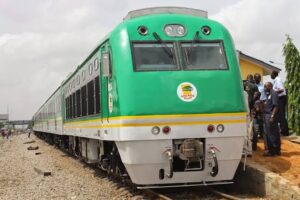
Efforts to integrate the South-East region of Nigeria through modern railway infrastructure received renewed momentum as governors and regional leaders intensified calls for a comprehensive intra-regional rail network to boost trade, mobility, and economic development.
Anambra State Governor Charles Chukwuma Soludo led the latest push, urging the South-East Development Commission (SEDC) to prioritise a regional railway system linking the five states of the zone. According to him, a dedicated rail network would accelerate economic activities, facilitate easier movement of people and goods, and position the region as a competitive commercial bloc.
In Abia State, Governor Alex Otti reiterated the importance of rail development, calling on the Nigerian Railway Corporation (NRC) to fast-track rehabilitation of the Eastern Corridor a key national railway that passes through Aba, Umuahia, and Enugu. Otti emphasised that modern rail transport is vital to lowering transportation costs, supporting agriculture, and expanding business opportunities.
Similarly, Enugu State Governor Peter Mbah has unveiled an ambitious plan for a 135.5-kilometre standard gauge intra-regional rail line. The proposed route would connect Enugu to Ugwuoba, parts of Ebonyi, Umuahia, and Owerri before terminating at Onne Port, creating an efficient export corridor for agricultural produce, mineral resources, and manufactured goods.
The Enugu project, designed for both passenger and cargo operations, is expected to be implemented through state ownership, with collaboration from federal agencies and foreign technical partners.
At the federal level, President Bola Ahmed Tinubu has assured that his administration remains committed to completing the broader Port Harcourt–Maiduguri Eastern Rail Line, a development that would complement the South-East’s regional efforts and enhance national connectivity.
Experts say a fully functioning intra-regional rail system in the South-East could unlock dormant economic potential, stimulate industrial zones, and support regional integration more effectively than road-dependent transport alone.
With states showing strong political will and pushing forward with feasibility studies and investment negotiations, stakeholders believe the vision of a unified South-East rail network is gaining the traction needed for long-awaited implementation. Visit www.jocomms.com for more news.
