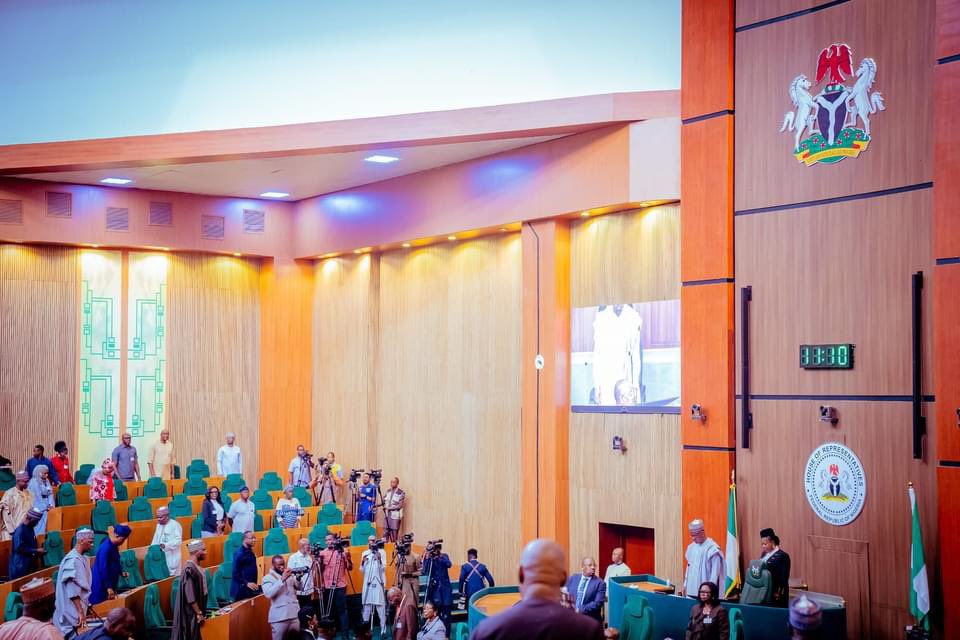
The House of Representatives resumes its plenary session this Tuesday with a strong focus on legislative priorities that address key national issues, including budget matters, electoral reform, local government autonomy, and urgent national challenges such as flooding, insecurity, and economic pressures.
At the forefront of the House’s agenda is the anticipated arrival of the 2025 Appropriation Bill from the Executive. Lawmakers have stressed the importance of timely submission to ensure thorough scrutiny, transparency, and public engagement, particularly through Town Hall meetings, a practice initiated during the 2024 Budget review. This process allows citizens to provide input, reinforcing the House’s commitment to inclusive governance.
In addition, the House remains steadfast in its commitment to the December 2025 deadline for definitive outcomes on the 6th Alteration to the 1999 Constitution. The Constitution Review Committee will intensify its efforts to address the public’s needs by modernizing outdated provisions and aligning laws with Nigeria’s evolving socio-political landscape.
Another critical priority is the amendment of the Electoral Act 2022. The House has highlighted the need to address ambiguities and contradictions within the legislation, ensuring the country’s electoral system is fit for purpose ahead of future elections. This amendment is a central feature of the 10th House’s Legislative Agenda under Article 6.7 on Law Reform.
The July Supreme Court ruling on Local Government Autonomy also remains high on the legislative agenda. In response to this landmark decision, the House anticipates the introduction of bills that will ensure the alignment of relevant laws with the court’s ruling. This effort underscores the House’s commitment to strengthening local governance as outlined in Article 6.3 of the Legislative Agenda.
Furthermore, in response to recent statements by the Minister of Finance and Coordinating Minister of the Economy, Mr. Wale Edun, the House expects the Executive to submit a bill concerning Whistleblower Protection. This legislative move, aimed at enhancing accountability and transparency, is in line with the House’s 8-Point Legislative Agenda.
Amid heightened public interest, the House leadership and its committees will also focus on compliance with previous resolutions and addressing pending legacy reports. The House is determined to provide transparent updates on the status of these matters and ensure the effectiveness of its oversight responsibilities.
Committees of the House, with renewed vigor, are set to ensure the efficient oversight of key government programs and policies, ensuring the necessary urgency and effectiveness in addressing challenges impacting Nigerians.
Additionally, members will closely monitor Zonal Intervention Projects (ZIPs) budgeted for the 2024 fiscal year. Ensuring the success of these projects is seen as vital to fulfilling the House’s mandate of providing effective governance at the grassroots level.
As the House approaches its midterm evaluation in June 2025, legislators will intensify efforts to build on their performance thus far, continuing to tackle critical national issues highlighted in their Legislative Agenda. The Green Chamber’s return to session signals a renewed focus on impactful actions and legislation aimed at addressing Nigeria’s most pressing challenges.
