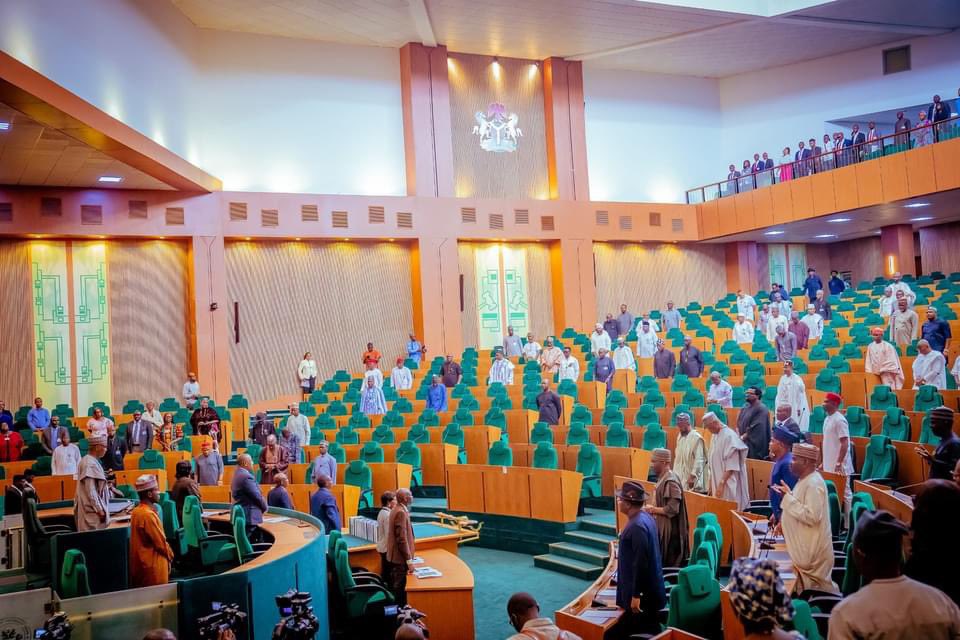
The House of Representatives has called for a comprehensive overhaul of Nigeria’s electricity distribution companies (DISCOs), citing inefficiencies that have hampered the delivery of reliable power supply across the country. To address these challenges, the lawmakers proposed a ₦500 billion recapitalization plan aimed at revitalizing the sector.
During a plenary session on Tuesday, the lawmakers expressed deep concerns over the persistent issues plaguing Nigeria’s power sector, including poor infrastructure, financial insolvency, and the inability of DISCOs to meet consumer demands. The Speaker of the House, Tajudeen Abbas, emphasized that urgent reforms are needed to ensure the power sector contributes meaningfully to the nation’s economic growth.
“The electricity distribution companies remain the weakest link in Nigeria’s power supply chain. Without significant investments and structural reforms, the goal of achieving steady and affordable electricity for Nigerians will remain elusive,” Abbas stated.
The ₦500 billion recapitalization plan is intended to boost the financial capacity of the DISCOs to invest in modern infrastructure, reduce technical losses, and improve service delivery. Lawmakers also called for stricter regulatory oversight to ensure accountability and efficiency within the sector.
Critics have long argued that the privatization of the power sector in 2013 failed to deliver the promised improvements, leaving millions of Nigerians without access to stable electricity. The House has urged the Federal Government to take a more active role in monitoring the performance of DISCOs and enforcing contracts to protect the interests of consumers.
While the recapitalization proposal has been welcomed by some stakeholders, questions remain about the source of funding for the initiative. Industry experts have suggested a mix of public and private investments, alongside international financial partnerships, to achieve the desired results.
The House’s recommendations will now be forwarded to the relevant government agencies and stakeholders for further deliberation. If implemented, the plan could mark a turning point in Nigeria’s quest for a reliable and efficient power sector.
The country’s electricity crisis has long been a major impediment to industrial growth and economic development, with power outages forcing businesses to rely on costly alternatives such as diesel generators. The proposed reforms aim to reverse this trend, ensuring a stable power supply for all Nigerians.
As discussions continue, all eyes will be on the government’s next steps in addressing the challenges of the power sector and implementing the House’s recommendations.
