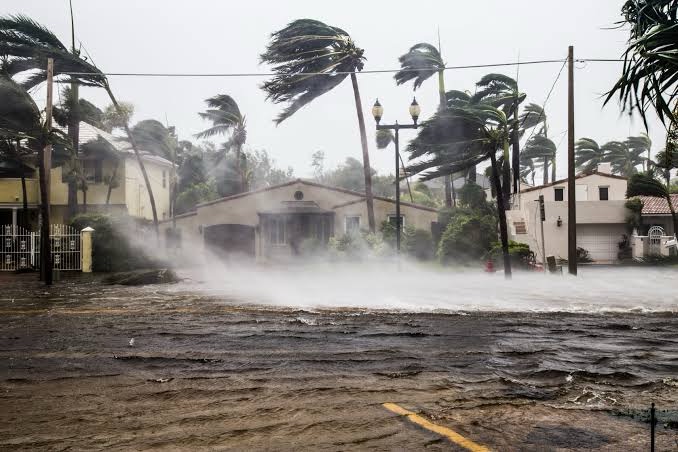
The Caribbean is facing a deepening humanitarian crisis as Hurricane Melissa, a powerful storm that devastated Jamaica, now takes aim at eastern Cuba, prompting mass government-led evacuations across the island’s eastern provinces.
Melissa made landfall on Jamaica’s southern coast early Tuesday as a Category 5 hurricane, bringing 175 mph (282 km/h) winds and torrential rainfall. Prime Minister Andrew Holness described the ordeal as the island’s most violent storm in recorded history, with landslides and widespread power cuts reported, contributing to at least three storm-related deaths. Underscoring the severity of the infrastructure damage, Holness stated: “There is no infrastructure in the region that can withstand a Category 5. The question now is the speed of recovery — that’s the challenge.”
Despite weakening slightly to a Category 3 storm as it pulled away from Jamaica, the threat remains critical. The U.S. National Hurricane Center (NHC) is continuing to warn of “catastrophic and life-threatening” conditions for eastern Cuba, where the storm is expected to arrive late Tuesday or early Wednesday. Cuban authorities have preemptively evacuated more than 600,000 residents from coastal areas, including the provinces of Santiago de Cuba and Guantánamo. The storm is forecast to bring a devastating storm surge of 8 to 12 feet and rainfall totals of up to 25 inches in isolated areas. Environment Minister Matthew Samuda issued a stern warning to the public, stating: “It’s nothing to play with.”
The storm’s slow advance has amplified destruction, causing rain to linger over affected areas, contributing to a mounting regional death toll of at least seven across Jamaica, Haiti, and the Dominican Republic. Furthermore, the slow-moving nature of the storm highlights a growing concern in the field of meteorology. Climate scientist Kerry Emanuel noted a crucial danger posed by excessive rainfall: “Water kills a lot more people than wind,” adding that human-driven warming is making such rapid intensification events more frequent. Melissa is forecast to move on to the southeastern Bahamas by Wednesday evening.
