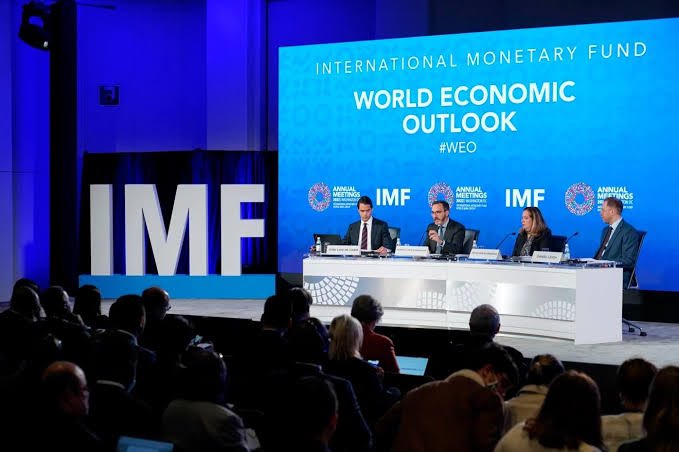
The International Monetary Fund (IMF) has reported that Nigeria’s local currency, the naira, is demonstrating signs of stability following recent monetary policy interventions, particularly interest rate hikes. The IMF noted that these measures, introduced by the Central Bank of Nigeria (CBN), are gradually curbing the naira’s prolonged depreciation against foreign currencies.
The Nigerian economy has been grappling with currency volatility in recent years, driven by various factors, including inflationary pressures, dwindling foreign reserves, and fluctuating global oil prices. In response, the CBN has employed aggressive interest rate hikes as part of its monetary tightening strategy to manage inflation and stabilize the naira.
While acknowledging these positive trends, the IMF cautioned that maintaining stability will require sustained policy discipline and further reforms aimed at enhancing Nigeria’s fiscal resilience. The organization also underscored the need for structural reforms to strengthen the economy and reduce its over-reliance on oil revenues.
Experts believe that while the interest rate hikes have provided short-term relief, long-term solutions will involve broader economic diversification and increased foreign investments. As Nigeria continues to navigate its currency challenges, all eyes remain on the CBN’s future policy moves and their potential impact on the naira’s value.
