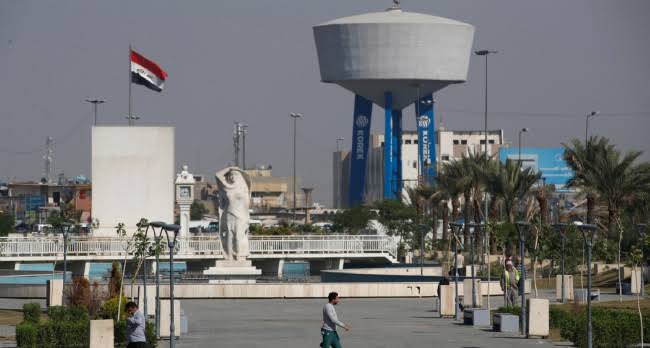
Iraq is conducting its first nationwide census in nearly 40 years, a long-anticipated effort to gather up-to-date demographic data in a country grappling with deep sectarian and ethnic divisions. Scheduled for Wednesday and Thursday, the census will cover all 18 governorates for the first time since 1987, when Saddam Hussein was in power. Previous attempts were repeatedly delayed due to war and political tensions.
The census is expected to have far-reaching implications, including adjustments to parliamentary representation. With one member of parliament allocated per 100,000 citizens, the updated count could reshape Iraq’s political landscape, said Hamzeh Hadad, a visiting fellow at the European Council on Foreign Relations (ECFR). The last count in 1997 excluded the autonomous Kurdistan region’s three northern provinces, and this census has reignited tensions between Baghdad and Kurdistan over disputed territories.
While the census includes questions on religion, it avoids distinguishing between sects, such as Sunni and Shiite Muslims, and excludes ethnicity—a move likely aimed at minimizing controversy. “Some key details may have been omitted to ensure the census could finally proceed,” Hadad noted.
Prime Minister Mohammed Shia al-Sudani emphasized the importance of the census for planning and development in a country plagued by crumbling infrastructure and scarce electricity. To facilitate the process, a two-day curfew will be imposed, requiring families to remain at home as 120,000 researchers collect data directly. The questionnaire includes information on household size, health, education, employment, and living standards, such as car ownership and household appliances.
Years of conflict, including the 2003 U.S.-led invasion and the rise of the Islamic State in 2014, have profoundly altered Iraq’s demographics. Large numbers of Christians and Yazidis have been displaced, and the census is expected to reflect these shifts. Iraq has partnered with the United Nations Population Fund (UNFPA) to ensure accurate data collection for effective policymaking and inclusive development.
“The census will uncover Iraq’s reality in its smallest details,” said Abdel-Zahra al-Hindawi, a spokesman for the Ministry of Planning. He highlighted its potential to address critical challenges in health, education, and housing.
However, longstanding disputes over territories in northern governorates, such as Kirkuk and Nineveh, remain contentious. Kurdish officials like Fahmi Burhane have expressed concerns about demographic shifts, particularly the movement of Arabs into historically Kurdish areas under Saddam and in recent years. To address these concerns, Baghdad has agreed to count only descendants of families present in disputed areas during the 1957 census, while newcomers will be recorded in their province of origin.
Despite these efforts, sensitivities persist. “It’s not just the Arabisation policies under Saddam Hussein,” said Hadad, “but also the reverse Kurdification of disputed territories post-2003.” Nonetheless, the census marks a significant step toward understanding Iraq’s complex demographic landscape and addressing its development challenges.
