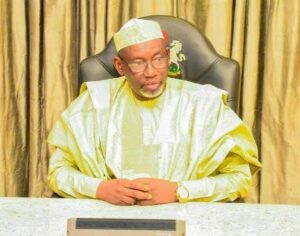
Jigawa State has aligned with four North-Central states Plateau, Kogi, Nasarawa and Kwara in domesticating Nigeria’s newly introduced tax reforms, as states across the federation move to comply with the Federal Government’s tax overhaul that took effect on January 1, 2026.
The Jigawa State House of Assembly has passed the Harmonised Taxes and Levies Bill, a major legislative step aimed at integrating the state into the new national tax framework. The bill, which awaits the governor’s assent, is expected to restructure tax administration and bring Jigawa’s revenue system in line with federal standards.
The proposed law seeks to streamline tax collection, eliminate multiple taxation, and outlaw illegal revenue enforcement practices such as roadblocks and checkpoints. It also promotes the use of technology to enhance transparency, reduce leakages, and improve efficiency in revenue generation.
Officials say the reforms are designed to create a more predictable and business-friendly tax environment while clearly defining taxpayers’ obligations. By simplifying processes and harmonising levies, the state government aims to boost compliance and improve internally generated revenue (IGR).
Other states in the North-Central region have taken similar steps. Plateau State signed its harmonised tax law on December 31, 2025, while Kogi and Nasarawa enacted new revenue administration and tax laws effective January 1, 2026. Kwara State is also advancing legislative measures to domesticate the reforms.
The Joint Revenue Board has described the reforms as critical to strengthening states’ fiscal sustainability and reducing dependence on federal allocations. Analysts note that the growing adoption of the new tax regime by states signals a broader shift toward a unified, modern, and transparent tax system capable of supporting economic growth and improving public revenue management nationwide. Visit www.jocomms.com for more news.
