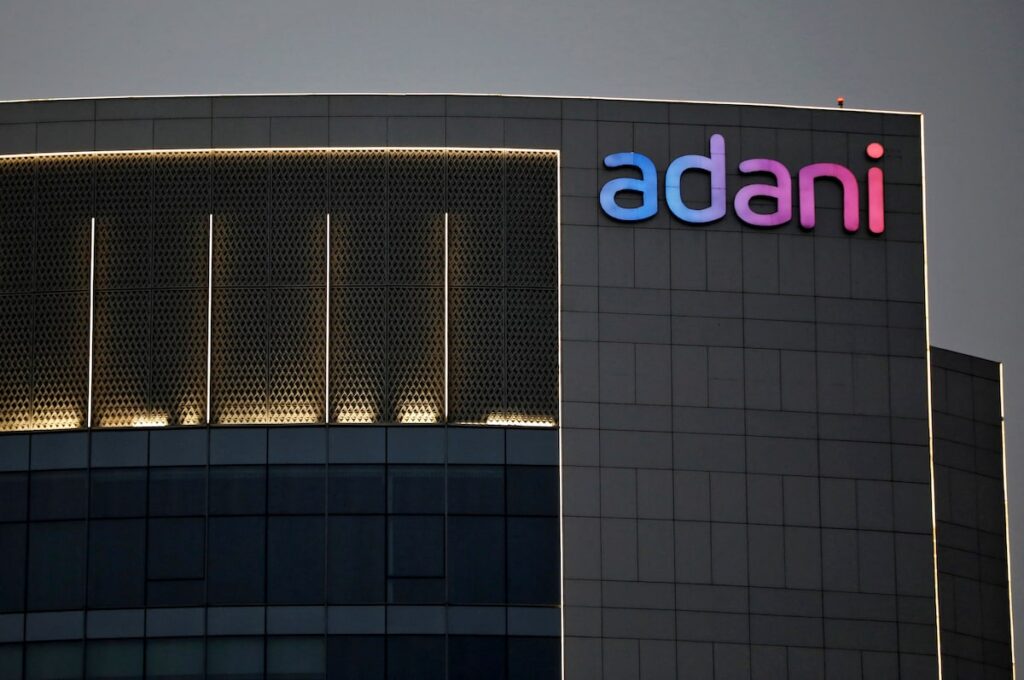
Kenyan President William Ruto announced the immediate cancellation of two high-profile deals involving India’s Adani Group during his State of the Nation address on Thursday. The move, sparked by concerns over corruption and transparency, has stirred national and international debate.
The first deal, valued at nearly $2 billion, would have handed control of Nairobi’s Jomo Kenyatta International Airport to the Adani Group. The project included building a second runway and upgrading the passenger terminal in exchange for a 30-year lease. The second, a $736-million public-private partnership, involved constructing power transmission lines under the Ministry of Energy.
“I have directed agencies within the ministries of transport and energy to immediately cancel the ongoing procurement,” Ruto declared, attributing the decision to “new information provided by investigative agencies and partner nations.”
Ruto’s announcement came just a day after U.S. authorities indicted Adani Group founder Gautam Adani and seven others for allegedly paying $265 million in bribes to Indian government officials. The group has denied the charges, pledging to pursue “all possible legal recourse.”
The airport proposal, initially made in March under a non-competitive bidding procedure, remained undisclosed until it was leaked on social media in July. In September, a Kenyan court temporarily blocked the agreement following a lawsuit arguing it failed to provide taxpayers with value for money.
Despite mounting criticism from politicians and the public, senior government officials had defended the deals. As recently as Thursday morning, Energy Minister Opiyo Wandayi stated that the transmission lines contract would proceed, insisting there was no evidence of bribery or corruption.
Ruto’s decision was met with cheers and applause from lawmakers in parliament. However, the Adani Group may pursue arbitration to challenge the cancellations. According to George Kamau, a Kenyan lawyer specializing in public procurement, the state is likely to have an advantage in any dispute resolution process, given the integrity issues cited as the basis for the cancellation.
“These kinds of disputes often favor state actors, especially when integrity concerns are central to the argument,” Kamau explained.
This marks a significant shift in Kenya’s approach to high-value international deals, with Ruto positioning his administration as one committed to transparency and anti-corruption. However, the cancellations could strain relations with India, where the Adani Group is a prominent business entity.
As investigations continue, the future of Kenya’s infrastructure projects and public-private partnerships remains uncertain.
