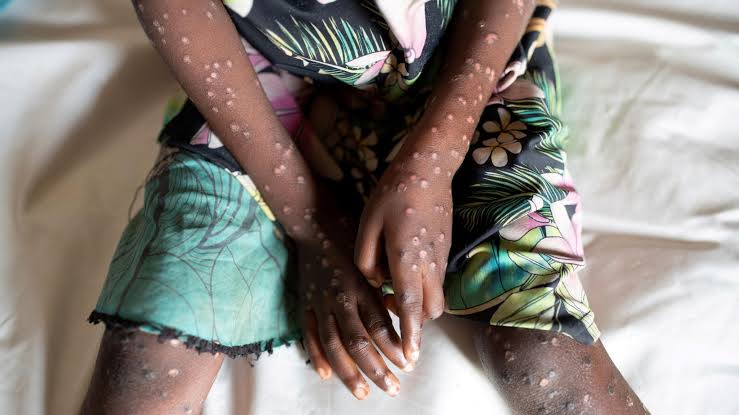
Morocco has confirmed its first case of mpox in the city of Marrakech, the Ministry of Health announced on Thursday. This marks the country’s first confirmed case since the World Health Organization (WHO) declared the current mpox outbreak a public health emergency of international concern last month, following the spread of a new variant of the virus in central Africa.
While Moroccan health authorities did not specify which variant of the virus the infected man carries, they reported that he is receiving treatment and is in stable condition. The health ministry is actively tracing and monitoring individuals who have had contact with the patient, although none are showing symptoms at this time.
Mpox, formerly known as monkeypox, spreads through close personal contact with an infected person, as well as through contaminated objects like bedding, clothing, and towels. The infection typically clears up on its own within 14 to 21 days, but in severe cases, especially among vulnerable populations like young children, it can be fatal.
Serious cases can lead to lesions covering the body, particularly affecting sensitive areas such as the mouth, eyes, and genitals. According to WHO guidelines, treatment primarily focuses on managing pain, caring for the rash, and preventing complications.
This mpox outbreak, declared a global emergency on August 14, 2024, has led to over 20,000 cases and 500 deaths across 14 African countries this year. The Democratic Republic of Congo (DRC) remains the epicenter of the outbreak, with more than 5,000 cases reported. Although vaccines have been dispatched to the DRC, logistical challenges may delay their arrival in the most affected regions, particularly in the east of the country.
In his statement announcing the emergency, WHO Director-General Dr. Tedros Adhanom Ghebreyesus stressed the urgency of a coordinated international effort, stating that “a coordinated international response is needed to stop these outbreaks and save lives.”