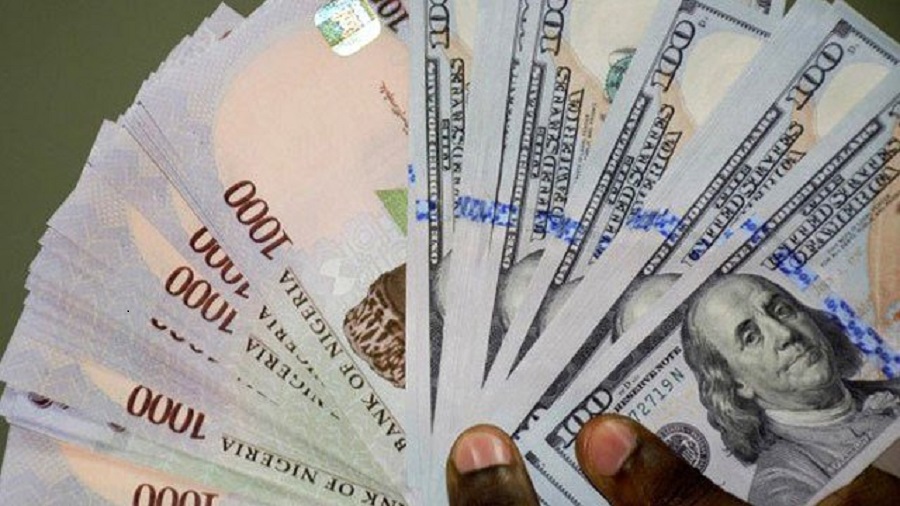
The Nigerian naira closed 2024 at ₦1,535 per United States dollar on the official market, reflecting a sharp 40.9% depreciation from ₦907.11/$ at the end of 2023, according to data from the Central Bank of Nigeria (CBN).
On the parallel market, the naira traded at ₦1,660/$, marking a 26.8% depreciation from ₦1,215/$ recorded at the end of 2023. The depreciation occurred despite a series of policy interventions by the CBN aimed at stabilizing the currency, improving market transparency, and attracting foreign investors.
Key reforms included the unification of forex windows under the Nigeria Foreign Exchange Market framework and the introduction of the Nigerian FX Code, which mandated ethical governance among market participants. These measures were part of broader efforts to address volatility and restore investor confidence in the FX market.
Policy Interventions and Achievements
The CBN reported significant progress in addressing inherited challenges, including clearing $7 billion in outstanding FX backlogs—a pledge fulfilled by Governor Olayemi Cardoso. Other notable interventions included:
• Revised Guidelines for BDC Operators: In May, the CBN issued guidelines defining permissible activities for Bureaux de Change (BDC) operators and automated foreign currency trading to improve efficiency.
• Direct FX Sales to BDCs: The bank occasionally sold FX directly to BDCs and authorized dealers, including during the festive season, capping weekly access at $25,000 to meet heightened demand.
• Voluntary Disclosure and Repatriation Scheme: This initiative allowed individuals and businesses to deposit internationally tradable currencies in domiciliary accounts, boosting reserves and reducing naira pressure.
Despite these measures, the naira faced immense pressure due to limited forex inflows, delays in dollar disbursements, and capital flight by foreign investors.
Economic Challenges
The World Bank ranked the naira among the worst-performing currencies in Sub-Saharan Africa in 2024, citing surging demand for dollars, supply shortages, and structural challenges in Nigeria’s forex market. Financial institutions and money managers were also reported to drive demand for dollars, further straining the naira.
Fitch Ratings warned that Nigeria’s 2025 fiscal outlook could further complicate the naira’s stability. A larger-than-expected budget deficit could lead to additional depreciation, inflationary pressures, and increased borrowing costs, threatening the government’s reform agenda.
Signs of Stabilization and Projections for 2025
The International Monetary Fund (IMF) noted that recent interest rate hikes and the CBN’s clearing of backlogs have started to stabilize the naira. President Bola Tinubu echoed this optimism in his budget presentation, projecting an exchange rate improvement to ₦1,500/$ in 2025, alongside a decline in inflation from 34.6% to 15%.
Aminu Gwadebe, President of the Association of Bureau De Change Operators of Nigeria, expressed confidence that the ₦1,500/$ target in the 2025 Appropriation Bill is achievable due to recent CBN reforms. However, analysts remain cautious, citing external factors such as global economic conditions and domestic fiscal policies as critical to the naira’s trajectory.
Outlook
While forex reforms and policy interventions have laid a foundation for potential stabilization, challenges such as limited dollar inflows, investor confidence, and macroeconomic uncertainties will continue to influence the naira’s performance in 2025. The success of these reforms will be pivotal in determining Nigeria’s economic resilience in the year ahead.
