Reported by Tahir Ishaq Shehu
Nigeria’s naira is showing renewed resilience, buoyed by growing investor confidence in President Bola Ahmed Tinubu’s sweeping economic reform agenda. In a significant shift from historical trends, the currency is beginning to decouple from global oil prices, long its primary anchor, signaling a transformative evolution in the country’s foreign exchange landscape.
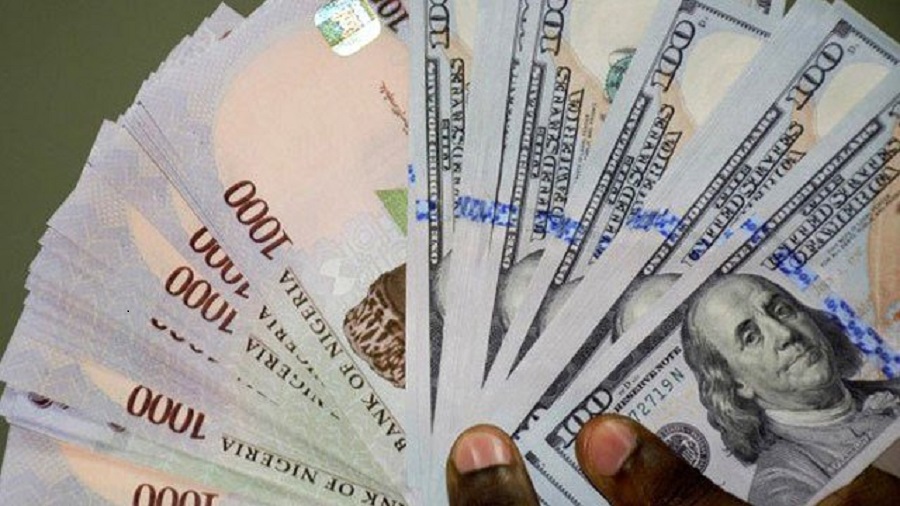
Despite a turbulent start to the year, the naira has remained stable even amid declining crude oil prices. As of Tuesday, the currency traded at approximately ₦1,530 per dollar, largely unchanged year to date. Analysts from Deutsche Bank AG and Cardinal Stone forecast the naira will close 2025 near ₦1,556 per dollar, its average exchange rate during the first half of the year, following a steep 41 percent depreciation in 2024.
This stabilization is being credited to a series of market-oriented reforms implemented by President Tinubu’s administration. According to Ayo Salami, Chief Investment Officer at Emerging Markets Investment Management Ltd. in London, the naira’s current performance reflects a correction from previous undervaluation, an increase in non-oil exports, and a notable drop in import demand. He added that the currency still trades below its fair value based on purchasing power parity.
The recent stability is a major relief for both businesses and investors, said Salami, pointing to the earlier turbulence that followed the Central Bank of Nigeria’s adoption of a more market determined exchange rate. While initially disruptive, the bold policy shift is now viewed as a cornerstone of Tinubu’s reforms and has helped restore transparency and investor trust.
Several global and domestic factors have also contributed to the naira’s stronger footing. These include a weakening U.S. dollar, which has declined by over 10 percent in 2025, and reduced reliance on imported refined petroleum products as Nigeria begins to benefit from local refining initiatives.
Investor sentiment appears to be turning increasingly positive. A Bloomberg index tracking local bond performance hit a record high this year, delivering a 19 percent return in the first half, its strongest performance since 2020. Meanwhile, Nigeria’s stock market has surged 18 percent, and emerging market debt has posted a 12 percent gain during the same period.
The naira is becoming increasingly correlated with global risk sentiment, noted Samir Gadio, Head of Africa Strategy at Standard Chartered Plc. As those conditions improve, we are seeing renewed portfolio flows into Nigerian assets even with oil prices below 70 dollars per barrel.
While challenges remain, analysts agree that Nigeria’s economic trajectory is undergoing a fundamental shift. Tinubu’s market friendly reforms are redefining the investment climate, with the naira’s newfound stability emerging as a key signal of progress.
