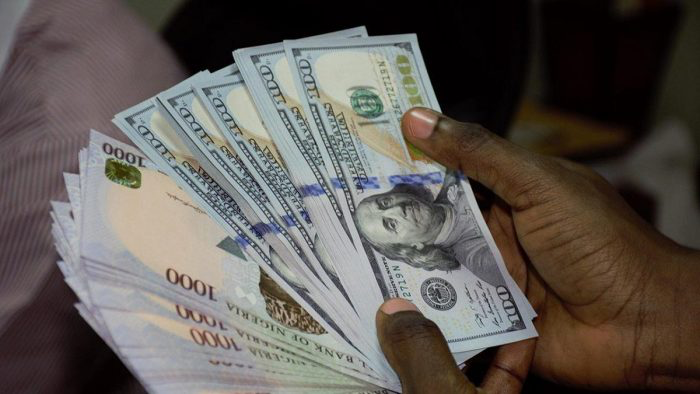
The naira gained ground against the U.S. dollar on Monday, appreciating to N1,650 per dollar in the parallel market, marking a 0.6% improvement, or a N10 increase from the previous Friday’s rate of N1,660. This gain comes amid a challenging week for the U.S. dollar, which saw its most significant weekly loss in over a year.
In the official foreign exchange (FX) market, the naira also showed signs of improvement. The Central Bank of Nigeria (CBN) reported that the naira closed Friday at N1,531 per dollar, strengthening by 1.1% week-on-week from the previous Friday’s rate of N1,548. This N17 gain suggests a more stable outlook for the naira, which has faced fluctuating pressures in recent months.
The U.S. dollar’s decline on Friday, which saw it drop as much as 0.8% against a basket of major currencies, was attributed to uncertainty surrounding U.S. trade policies. The dollar’s losses were further exacerbated after President Donald Trump hinted at a more lenient approach toward tariffs on China. This shift in trade policy, coupled with ongoing trade negotiations, led to volatility in global equity markets.
Despite some recovery later in the day, the dollar ended Friday with a 0.65% loss, and the cumulative impact over the week saw the greenback drop by 1.8%, marking its largest weekly loss since November 2023.
In an interview with Fox News, President Trump expressed optimism about trade talks with China, following a positive conversation with President Xi Jinping. Trump emphasized the leverage the U.S. has through tariffs, noting that China is eager to avoid further economic strain. “We have one very big power over China, and that’s tariffs,” Trump remarked. “I’d rather not have to use it, but it’s a tremendous power over China.”
The fluctuating dynamics of the U.S. dollar have not gone unnoticed in Nigeria. Muda Yusuf, CEO of the Centre for the Promotion of Private Enterprise (CPPE), pointed out that Trump’s policies could indirectly influence the naira. Increased U.S. investments and rising employment levels may strengthen the dollar, and this could, in turn, affect investor sentiment in Nigerian markets. Yusuf noted that the positive shift in the stock market is already a sign of growing confidence among investors, which could bolster the naira’s position in the coming weeks.
