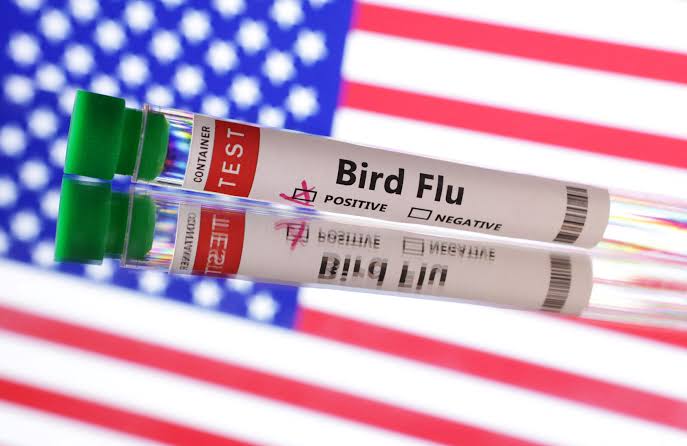
A new strain of bird flu has been detected at a duck farm in California, marking the first time this variant has been identified in poultry in the United States, according to the World Organisation for Animal Health (WOAH).
The Paris-based agency reported that the highly pathogenic avian influenza (HPAI) H5N9 strain was confirmed at a commercial duck farm in Merced County on January 13. All 119,000 birds at the farm were culled to contain the outbreak, the WOAH said in a report viewed by AFP on Tuesday.
“This is the first confirmed case of HPAI H5N9 in poultry in the United States,” the agency stated, adding that the origin of the outbreak remains unknown. The H5N1 strain, already widespread in U.S. animal populations, was also detected at the farm.
U.S. animal health authorities have launched comprehensive investigations and intensified surveillance in response to the discovery of the H5N9 strain.
Potential Human Health Risks and Global Implications
The emergence of H5N9 in the U.S. comes amid global concern over the potential pandemic threat posed by bird flu. While the virus primarily affects animals, health experts warn that mutations could enable human-to-human transmission, potentially sparking a pandemic.
The U.S. Centers for Disease Control and Prevention (CDC) has reported 67 human bird flu infections in the U.S., including one fatality in January. All cases were linked to direct contact with infected animals, and no evidence of human-to-human transmission has been found so far. However, scientists caution that co-infection with bird flu and seasonal flu in humans could lead to the virus mutating into a more transmissible form.
Challenges in Global Cooperation
The discovery coincides with the U.S. decision to withdraw from the World Health Organization (WHO), raising concerns about international collaboration on health emergencies. The U.S., the WHO’s largest donor, has been a critical partner in global disease surveillance.
Health experts have urged the U.S. to enhance its bird flu monitoring and share data with global health networks. The WHO has warned that the lack of cooperation could hinder efforts to track and respond to emerging viruses.
“The U.S. withdrawal is a concern for global health,” the WHO said last week.
As the situation unfolds, scientists stress the importance of vigilance and transparency in addressing the evolving threat of bird flu.
