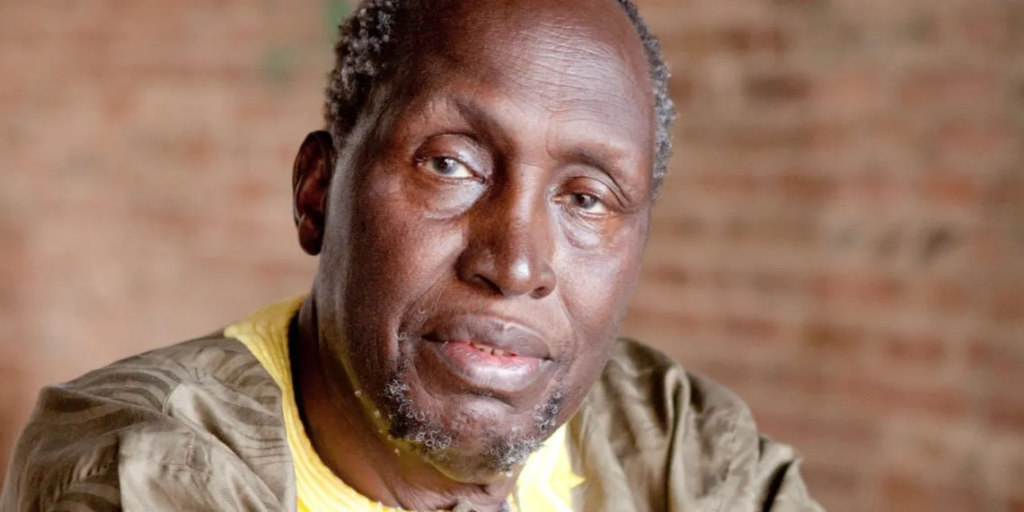
Ngũgĩ wa Thiong’o, the celebrated Kenyan author and academic whose works profoundly shaped African literature, passed away on Wednesday at the age of 87.
His death was confirmed by his daughter, Wanjiku wa Ngugi, in a heartfelt Facebook post. “It is with a heavy heart that we announce the passing of our dad, Ngũgĩ wa Thiong’o, this Wednesday morning, 28th May 2025,” she wrote. She reflected on her father’s enduring legacy and final wish: “He lived a full life and fought a good fight. As was his last wish, let’s celebrate his life and work. Ria ratha na ria thua. Turi aira.”
Further details regarding the family’s plans to celebrate his life will be shared soon by the family spokesperson, Nducu Wa Ngugi.
A Life Dedicated to Literature and Social Justice
Born on January 5, 1938, Ngũgĩ wa Thiong’o authored an extensive body of work spanning novels, plays, short stories, and essays. Among his most acclaimed novels are Weep Not, Child, The River Between, Petals of Blood, and Wizard of the Crow. His literary style, emphasis on children’s literature, and outspoken criticism of social and political injustice cemented his status as East Africa’s leading novelist.
Ngũgĩ was also the founder and editor of Mutiri, a Gikuyu journal that promoted indigenous language and literature. His short story, The Upright Revolution: Or Why Humans Walk Upright, achieved international acclaim, having been translated into over 100 languages and sold worldwide.
Despite enduring imprisonment and exile due to his vocal criticism of Kenya’s dictatorial government, Ngũgĩ’s influence in African literature remained unwavering. His works consistently challenged colonialism, dictatorship, and social inequities, inspiring generations of readers and writers.
Final Years
Reports from March 2024 indicated that Ngũgĩ was living in California, under medical care, battling kidney failure. Though physically distant from his homeland, his voice continued to resonate strongly within African literary circles and beyond.
As the world mourns the loss of one of Africa’s greatest literary figures, tributes have poured in celebrating his uncompromising dedication to cultural identity, language, and justice.
