Nigeria is poised to significantly reduce its reliance on food imports as part of a bold strategy aimed at boosting domestic agricultural production and enhancing food security, according to Wale Edun, the Minister of Finance and Coordinating Minister of the Economy.
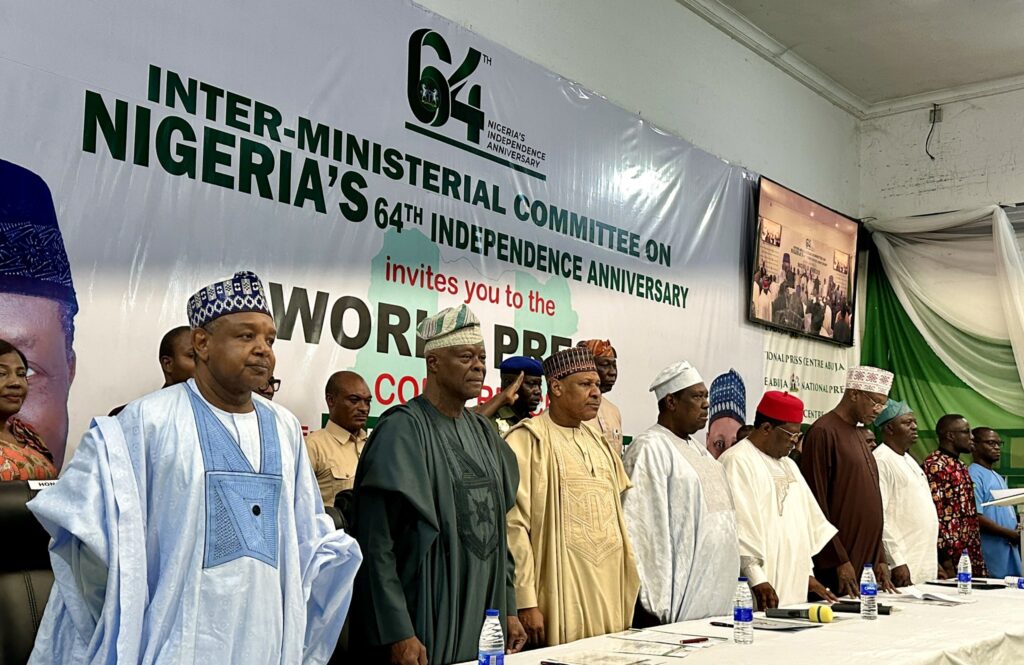
Speaking at a press conference on Thursday to commemorate Nigeria’s 64th Independence Day, Edun declared the era of heavy food importation over, emphasizing that self-sufficiency in food production is essential for the country’s economic recovery.
“We should not be importing food,” Edun asserted, highlighting that Nigeria’s future depends on its ability to produce sufficient food domestically. He underscored the government’s commitment to supporting small-scale farmers through initiatives like the Nigerian Agricultural Growth Scheme, which will provide vital inputs such as seeds and fertilizers. This support aims to enhance agricultural productivity for both wet and dry season harvests, reducing the need for imports in the short term while fostering long-term growth.
In response to rising food prices and a struggling agricultural sector, Edun noted that the government has authorized imports of maize and wheat to stabilize the food market. However, he cautioned against disrupting local food production, warning that flooding the market with imports could harm domestic farming efforts.
“It is critical that we do not disrupt domestic production of food,” he stated. “The shift from food imports is not just an economic necessity but a critical step toward Nigeria’s future self-sufficiency.”
Edun’s comments come as Nigeria faces the dual challenges of escalating food prices and agricultural yields that fall significantly below global standards. The government’s ambitious long-term goal is to more than double agricultural productivity by improving local seed varieties and adopting better farming practices.
The emphasis on enhancing agriculture is a key component of Nigeria’s broader economic overhaul, which also includes adjustments following the recent removal of fuel subsidies. This strategic shift is aimed at fostering economic independence and ensuring food security for the nation.
As Nigeria embarks on this critical journey towards self-sufficiency, the government remains committed to empowering farmers and transforming the agricultural landscape, ultimately positioning the country as a more resilient and prosperous economy.
