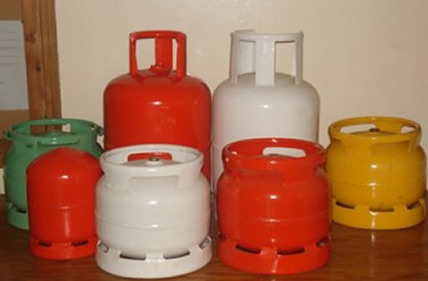
The Nigeria Customs Service (NCS) has announced the removal of Value Added Tax (VAT) and import duties on Liquefied Petroleum Gas (LPG), commonly known as cooking gas, and Compressed Natural Gas (CNG). This move, effective immediately, is aimed at fostering domestic gas utilization and attracting investments in line with President Bola Ahmed Tinubu’s Presidential Gas for Growth Initiative.
In a statement issued by the NCS National Public Relations Officer, Mr. Abdullahi Maiwada, the agency outlined the new fiscal incentives designed to enhance Nigeria’s gas sector.
The statement read:
“Pursuant to Part 1, Section 5 of the Customs and Excise Tariff Act, machinery, equipment, and spare parts imported for Nigerian gas utilisation are now subject to a zero per cent (0 per cent) import duty rate. This exemption encompasses all equipment related to Compressed Natural Gas (CNG) and Liquefied Petroleum Gas (LPG).”
Additionally, VAT exemptions now apply to various gas-related items and services, including feed gas for processed gas, imported LPG, CNG and LPG equipment, conversion and installation services, and infrastructure for expanding gas utilization.
To access these incentives, importers are required to obtain an Import Duty Exemption Certificate (IDEC) from the Federal Ministry of Finance and secure a letter of support from the Office of the Special Adviser to the President on Energy.
Refund for Previously Issued Debit Notes
The NCS also revealed that Debit Notes issued to petroleum marketers for LPG imports under specified HS Codes from August 26, 2019, will be withdrawn in accordance with earlier approvals.
Expansion of CNG Conversion Centres
In a related development, the Presidential Compressed Natural Gas Initiative (P-CNGI) announced progress in its efforts to increase CNG conversion centres nationwide. Speaking in Abuja, P-CNGI’s Chief Executive Officer, Michael Oluwagbemi, highlighted that the number of centres had risen to 170, with plans to reach 200 by the end of December 2024.
Oluwagbemi expressed optimism about future growth, stating:
“Next year, we have set a target of 500 centres, and I believe we will surpass it.”
This announcement aligns with the government’s broader strategy to reduce reliance on petrol and diesel by promoting alternative and cleaner energy sources.