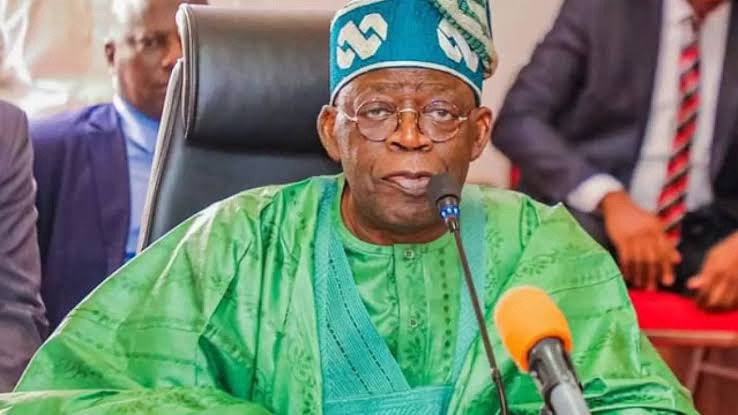
As Nigeria moves closer to the 2027 general elections, national attention is shifting beyond the race for power to a broader conversation about how long elected leaders should remain in office.
Under the Constitution of the Federal Republic of Nigeria, presidents and governors are permitted to serve a maximum of two terms of four years each. However, many Nigerians are now questioning whether completing eight years in office is essential for impactful leadership, or if a single term is enough to deliver meaningful results.
This debate is gaining momentum against the backdrop of economic pressures, rising public expectations, and increasing demand for accountability. For some citizens, four years is too short to fully implement policies and execute large-scale projects, especially in critical sectors like infrastructure, energy, and education. Others argue that leaders should be able to demonstrate tangible progress within a single term, making re-election unnecessary if performance falls short.
Presidential spokesman Bayo Onanuga has also weighed in on the debate, arguing that four years is often not enough for any administration to fully implement its policies and deliver lasting impact. According to him, major reforms—especially in critical sectors of the economy—require continuity, stability, and time to mature. He maintained that the push for a second term is not merely political ambition, but a practical necessity to consolidate ongoing programmes and ensure that long-term policies are not abandoned midway.
Political analysts note that the push for second terms is often driven by a mix of factors, including the desire to complete ongoing projects, maintain policy continuity, and strengthen political influence. In some cases, incumbency advantages—such as control of party structures and access to state resources—also play a significant role in shaping re-election bids.
At the same time, critics argue that the strong focus on second-term ambitions can sometimes distract from governance, with leaders prioritizing political survival over service delivery during their first term.
On this episode of Nigeria Daily, the programme takes a closer look at these competing perspectives, examining why many politicians actively seek second terms and whether Nigeria’s political culture places too much emphasis on staying in power rather than delivering results.