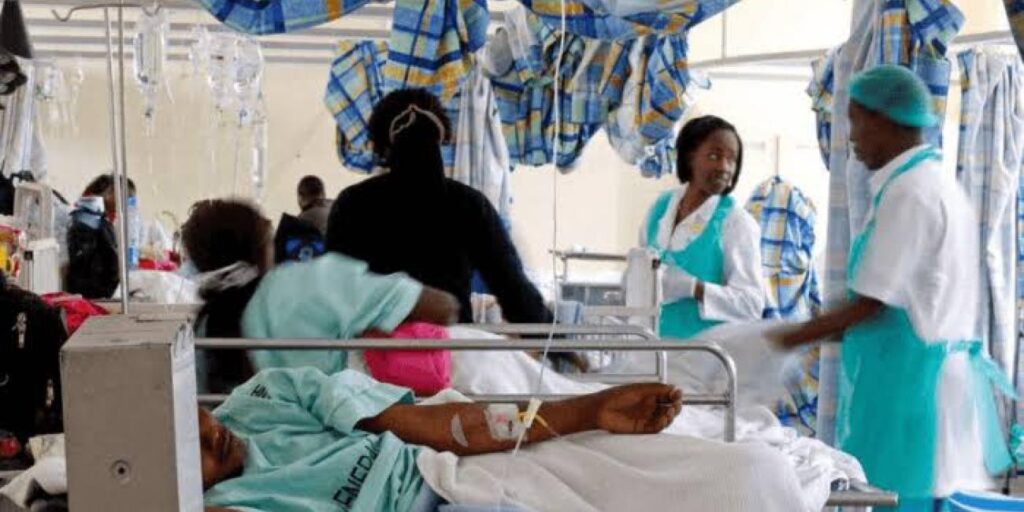
Nigeria is currently grappling with a severe cholera outbreak, with 359 deaths recorded between January and September 2024. This marks a staggering 239% increase in fatalities compared to the same period in 2023. The number of suspected cholera cases has also surged dramatically, rising from 3,387 in 2023 to 10,837 this year, according to the Nigeria Centre for Disease Control and Prevention (NCDC).
The government has expressed deep concern over the alarming increase, particularly as children under five are disproportionately affected by the outbreak. Lagos, the country’s commercial hub, has reported the highest number of cases.
The situation has been further exacerbated by flooding in several states, including Borno, where authorities have declared a cholera outbreak. Other heavily impacted states include Bayelsa, Zamfara, Abia, Cross River, Bauchi, Delta, Katsina, Imo, and Nasarawa, where the combination of poor sanitation and stagnant floodwaters has created an ideal breeding ground for the disease.
The NCDC, along with its partners, is actively working to support affected states through risk communication, active case detection, laboratory diagnostics, case management, and water sanitation and hygiene (WASH) interventions.
“The state is already grappling with widespread flooding, which has displaced nearly two million people, exacerbating the public health crisis,” an NCDC spokesperson noted.
To prevent further spread of cholera, Nigerians are advised to ensure access to safe drinking water, practice good personal hygiene, wash hands frequently, and avoid consuming raw fruits, vegetables, or food from street vendors, as well as undercooked seafood.
The NCDC continues to urge the public to take preventive measures seriously as it works to contain the outbreak and prevent further loss of life.
