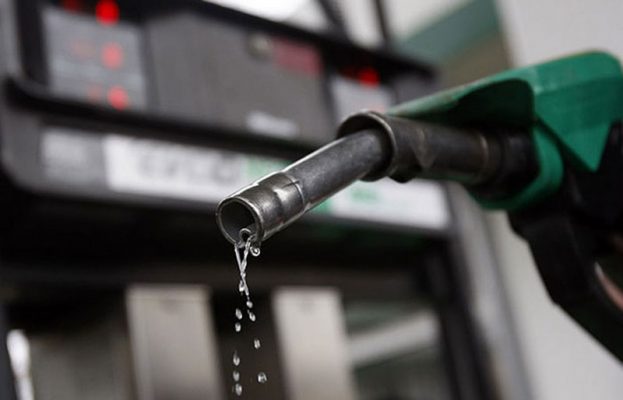
Nigeria imported 20.3 billion litres of petrol in 2023, marking a 13.7% reduction from the 23.54 billion litres imported in the previous year, according to new data from the National Bureau of Statistics (NBS). The drop coincides with the removal of petrol subsidies by President Bola Tinubu upon assuming office in May 2023, which resulted in a significant reduction in domestic consumption and fuel smuggling.
The NBS report also revealed a 16.96% decline in the truck-out of petrol, with 20.22 billion litres distributed across the country in 2023 compared to 24.35 billion litres in 2022. This development follows a sharp increase in petrol prices, which rose from N195 per litre to as much as N950 per litre in some regions after the subsidy was lifted.
The report also highlighted shifts in the local production of fuel products. Diesel (Automotive Gas Oil, AGO) production grew by 6.7% in 2023, reaching 109.39 million litres, while household kerosene output surged by 56%, with 69.71 million litres produced, up from 44.68 million litres in 2022.
The data also showed an increase in diesel imports, with 4.94 billion litres brought in during 2023, a 23.66% jump compared to 4 billion litres imported in 2022.
OPEC Meeting Focuses on Compliance and Production Cuts
Meanwhile, the Organisation of Petroleum Exporting Countries (OPEC) and its allies, including Russia, met to discuss production adjustments. The group decided to keep its output policy unchanged, reaffirming plans to gradually raise production starting in December 2024. The decision comes as oil prices have fluctuated, recently dropping below $70 per barrel in September before rebounding to over $75 amidst concerns of potential disruptions due to tensions in the Middle East.
OPEC+ has been cutting global output by 5.86 million barrels per day since late 2022, and compliance with these cuts was a major focus of the latest meeting. Iraq, Kazakhstan, and Russia confirmed they had met their promised production cuts for September, with final verification expected in October. OPEC+ plans to continue monitoring production levels closely, with the next meeting scheduled for December 2024.