For the first time in more than 13 years, Nigeria has recorded a decline in food prices on a month-on-month basis, signaling a rare moment of relief for consumers battered by years of soaring costs.
According to the National Bureau of Statistics (NBS), food inflation fell by 1.57 percent in September 2025 compared to August the first monthly decline since February 2012. The drop marks a significant milestone in the country’s ongoing battle against persistent inflationary pressures.
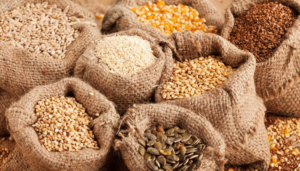
The decline was driven mainly by lower prices of staple food items, including maize, garri, beans, millet, potatoes, onions, tomatoes, pepper, and eggs. Analysts attribute the moderation to improved harvests, stable foreign exchange conditions, and reduced transportation costs.
Overall inflation also eased, with Nigeria’s headline inflation rate slowing to 18.02 percent year-on-year in September, down from 20.12 percent in August. On a monthly basis, the general inflation rate stood at 0.72 percent, slightly below the previous month’s 0.74 percent.
Economists say the figures suggest that the worst of the food price surge may be easing, at least temporarily. However, they caution that one month of deflation does not necessarily indicate a sustained trend, as food prices in Nigeria remain highly sensitive to supply shocks, weather conditions, and currency movements.
“This is a positive development for households, but structural risks remain,” said an analyst at Lagos-based Financial Derivatives Company. “Sustained declines will depend on consistent improvements in agricultural output, stable exchange rates, and policy support for logistics and market efficiency.”
The NBS recently rebased its Consumer Price Index, updating the base year from 2009 to 2024 a move that may have slightly altered weightings and contributed to the new readings.
While policymakers are likely to welcome the slowdown, the Central Bank of Nigeria is expected to tread cautiously before adjusting interest rates, awaiting more data to confirm a lasting downward trend in inflation.
