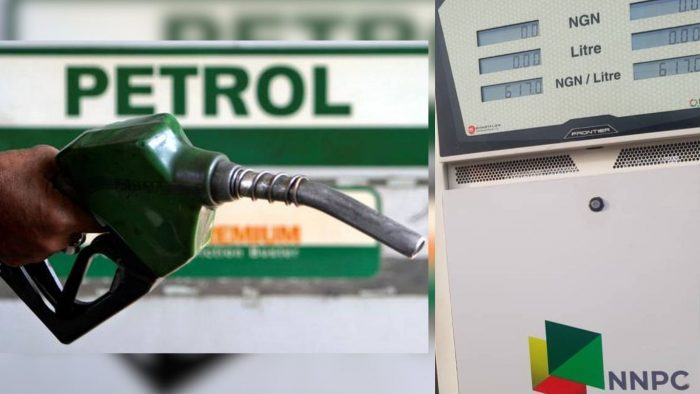
Nigerians spent about N1.3 trillion on Premium Motor Spirit (petrol) in June as nationwide consumption reached 1.44 billion litres, according to the latest data released by the Nigerian Midstream and Downstream Petroleum Regulatory Authority (NMDPRA).
The heavy spending underscores the country’s reliance on petrol for transport and power generation amid chronic electricity shortages. Since the removal of petrol subsidies in May 2023, fuel costs have climbed dramatically, leaving households and businesses heavily exposed.
Data from the NMDPRA showed that Lagos, Ogun, and the Federal Capital Territory recorded the highest petrol consumption in June. The agency’s PMS truck-out report indicated that at an average price of N900 per litre, 1.44 billion litres translated to roughly N1.3 trillion in consumer spending.
Lagos led with 205.7 million litres valued at N185.1 billion, followed by Ogun with 88.7 million litres worth N79.8 billion, and the FCT with 77.5 million litres at N69.8 billion. Oyo State consumed 72.8 million litres valued at N65.5 billion. At the other end of the spectrum, Jigawa recorded the lowest allocation at 9.4 million litres worth N8.5 billion.
Regionally, the South-West accounted for the largest share with 452.9 million litres valued at N407.7 billion, while the North-Central followed with 247.4 million litres worth N222.4 billion. The North-West consumed 230 million litres at N207 billion, and the South-South 224.9 million litres at N202.9 billion. The North-East recorded 152.8 million litres worth N137.5 billion, while the South-East consumed the least at 132.7 million litres valued at N119.6 billion.
The figures highlight Nigeria’s uneven petrol consumption pattern, shaped by population density, vehicle ownership, and economic activity. Urban hubs such as Lagos, Abuja, Kano, and Oyo dominate demand, while sparsely populated states like Jigawa, Ebonyi, Bayelsa, and Yobe consume far less.
In June, Dangote Group President Aliko Dangote noted that Nigerians currently pay about 55 percent of what other West African countries pay for petrol. He explained that his refinery has helped reduce costs by supplying fuel at between N815 and N820 per litre.
“In neighbouring countries, the average price of petrol is around $1 per litre, which is N1,600. But here at our refinery, we’re selling at between N815 and N820. Many Nigerians don’t realise that they are currently paying just 55 per cent of what others in the region are paying for petrol,” Dangote said.
Petrol prices have fluctuated sharply since President Bola Tinubu announced subsidy removal in 2023. Prices jumped from an average of N200 per litre to more than N1,200 per litre before the Dangote refinery, with a capacity of 650,000 barrels per day, entered the market and began cutting prices. The refinery’s presence has reduced reliance on imports previously dominated by the Nigerian National Petroleum Company Limited.
While consumers have welcomed the relative price drop, fuel marketers complain of squeezed margins. Meanwhile, many Nigerians argue that petrol should be priced between N200 and N500 per litre to tame inflation.
“The prices should drop to between N200 and N500, and you’ll see the impact on virtually all sectors of the economy. Selling petrol above N850 per litre is still high and causing inflation to spike,” said Lagos resident Favour Samson.
Nigeria’s fuel consumption continues to reveal the deep economic strain facing households and industries. Despite relief from local refining, high pump prices remain a major driver of inflation and a flashpoint in the broader debate over subsidy removal and energy policy.
