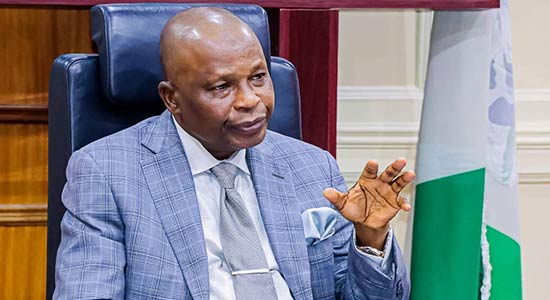
In a powerful call for reform, Nigeria’s Attorney-General and Minister of Justice, Lateef Fagbemi (SAN), has urged for more stringent penalties for individuals found guilty of corruption, highlighting the devastating effects of the crime on the nation’s governance, economy, and human dignity.
Fagbemi made these remarks on African Anti-Corruption Day 2025, speaking at a high-profile seminar organised by Nigeria’s Inter-Agency Task Team (IATT), a coalition of 21 anti-corruption institutions. The seminar, themed “Promoting Human Dignity in the Fight Against Corruption”, underscored the need to tackle corruption not just as a legal issue but as a fundamental human rights crisis.
Addressing the event virtually, Fagbemi, represented by the Solicitor-General of the Federation, Beatrice Jedy-Agba, stressed the far-reaching consequences of corruption. He pointed to the diversion of public funds meant for healthcare and education, arguing that such actions represent more than just policy failure—they are direct assaults on basic human rights. “When funds meant for hospitals are diverted, it’s not just a financial setback, it’s a denial of the right to life and health,” he said.
The Attorney-General emphasised that the fight against corruption must be rooted in justice, fairness, and respect for human dignity, warning that law enforcement agencies must ensure impartial investigations and uphold due process throughout legal proceedings.
A Unified Front in the Fight Against Corruption
Jane Onwumere, the Head of TUGAR, reiterated the importance of collective efforts in safeguarding Nigeria’s public resources. “Corruption undermines the human dignity enshrined in our Constitution and in international frameworks like the African Charter on Human and Peoples’ Rights,” she said.
Dr. Orji Ogbonnaya Orji, Executive Secretary of the Nigeria Extractive Industries Transparency Initiative (NEITI) and Chair of IATT, also made an impassioned plea for a broader approach to combat corruption. He stressed that anti-corruption efforts should go beyond legal reforms and asset recovery. “Corruption is a direct attack on human dignity,” Orji said. “It deprives citizens of clean water, justice, education, and healthcare, and we must tackle it in all its forms.”
Orji announced that NEITI has stepped up its commitment to transparency, noting collaborations with human rights organisations to support civil society groups and journalists working in governance oversight. He also highlighted Nigeria’s leadership role in the West African Beneficial Ownership Transparency Forum, pledging continued efforts to combat illicit financial flows and dismantle corporate secrecy.
A Path Forward
The call for tougher penalties and a broader, more integrated approach to tackling corruption comes at a time when Nigeria is grappling with economic and social challenges exacerbated by the misuse of public funds. With widespread recognition of corruption’s devastating impact on society, the government, and civil society are increasingly aligned in their resolve to address the issue.
As the fight against corruption intensifies, it is clear that Nigeria must not only reinforce its legal frameworks but also promote a culture of transparency, accountability, and respect for human dignity.
