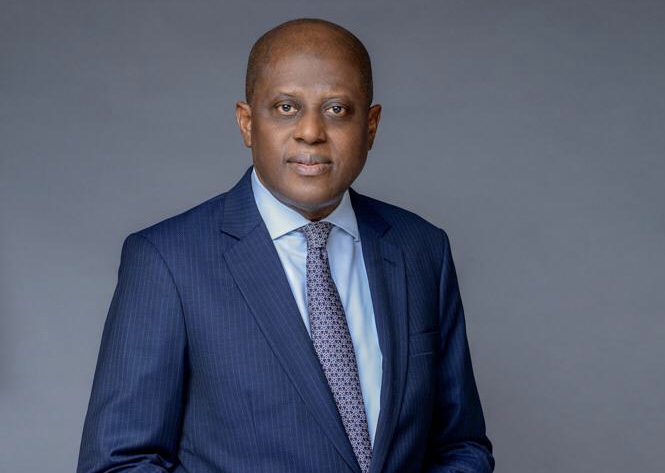
In a decisive statement at the FT Africa Summit in London on Tuesday, Olayemi Cardoso, the Governor of Nigeria’s Central Bank, affirmed the institution’s readiness to utilize “any tools at our disposal” to manage the country’s inflation, which has surged to 32.70% in September—the first increase in three months. This rise is primarily driven by escalating food and energy costs, further exacerbated by recent government policy shifts, including the elimination of petrol and electricity subsidies and the devaluation of the naira under President Bola Tinubu’s administration.
Despite these challenges, Cardoso expressed optimism that headline inflation could moderate in the coming months, although he acknowledged that food inflation remains “stickier.” He emphasized the central bank’s collaboration with the government to address these economic pressures effectively.
Highlighting the importance of ongoing reforms, Cardoso noted that Nigeria is starting to attract “growing and serious interest” from foreign investors, as evidenced by high-profile visits from Citigroup CEO Jane Fraser and JPMorgan’s Jamie Dimon. “There’s an enormous amount of interest now,” he remarked, pointing out that the naira’s devaluation has made the Nigerian economy significantly more competitive.
Since Tinubu took office, the naira has depreciated to just a quarter of its former value, while fuel prices have surged to five times their previous levels. However, Cardoso asserted that measures implemented by the central bank to restore investor confidence are yielding positive results, with complaints about access to foreign exchange now “minimal” compared to prior months when only a select few could obtain it. He noted, “Now, the market is a lot deeper… and it (forex) is available.”
As of now, Nigeria’s gross foreign exchange reserves exceed $40 billion, with Cardoso pledging greater transparency by providing regular updates on net reserves starting in early 2025.
Looking ahead, Cardoso projected that economic growth might remain moderate next year, aligning with the World Bank’s forecast of approximately 3.6% growth in 2025, up slightly from an expected 3.3% this year. “With the reforms that are being taken right now, it will put Nigeria in a far better position to see the increase on the growth side,” he concluded.
As Nigeria navigates this complex economic landscape, the central bank’s commitment to inflation management and reforms remains crucial in fostering a stable and competitive economy.
