Debt servicing consumed 47% of the Federal Government’s total expenditure in the first nine months of 2024, highlighting the growing strain of debt repayment on Nigeria’s fiscal sustainability. According to data from the Central Bank of Nigeria (CBN), the government spent ₦8.94 trillion on debt servicing during this period, marking a sharp 56.8% increase from ₦5.69 trillion in the same period of 2023.
This figure accounted for almost half of the ₦18.97 trillion total expenditure for the period, up from 42% of ₦13.57 trillion in 2023. The debt-to-revenue ratio further worsened, with debt servicing consuming 147% of retained revenue in 2024, compared to 132% in 2023.
Nigeria’s reliance on borrowing to fund operations has led to a widening fiscal deficit, which grew by 39.3% from ₦9.25 trillion in 2023 to ₦12.89 trillion in 2024. Recurrent expenditures, including personnel costs, pensions, transfers, and debt servicing, rose by 45.6% to ₦15.11 trillion in 2024.
While personnel costs increased by 20% to ₦3.59 trillion, transfers surged by 83.8% to ₦1.31 trillion. Overhead costs also rose by 51.4% to ₦892.85 billion. However, spending on pensions and gratuities saw a marginal decline from ₦339.66 billion in 2023 to ₦336.61 billion in 2024.
Despite efforts to boost capital expenditure, it rose modestly by 20.8% to ₦3.86 trillion in 2024, remaining overshadowed by the rising recurrent and debt servicing costs.
Economic experts have raised alarms about the unsustainable fiscal trajectory. Prof. Adeola Adenikinju, President of the Nigerian Economic Society, stated that debt servicing contributes little to economic growth, infrastructure development, or fiscal stability. “We have been wasteful in the past, and that is the consequence we have to deal with now,” he said.
Tilewa Adebajo, CEO of CFG Advisory, suggested that Nigeria should initiate debt renegotiation talks with creditors as debt servicing now exceeds both recurrent and capital expenditures.
Global credit ratings agency Fitch projected Nigeria’s external debt servicing to rise from $4.8 billion in 2024 to $5.2 billion in 2025, reflecting escalating external financing obligations.
The International Monetary Fund (IMF) highlighted the need for Nigeria to adopt more effective revenue mobilisation strategies to reduce its debt service-to-revenue ratio, which it estimates at 60%. The IMF recommended broadening the tax base, implementing a transparent tax system, and increasing the revenue-to-GDP ratio to ease the financial burden.
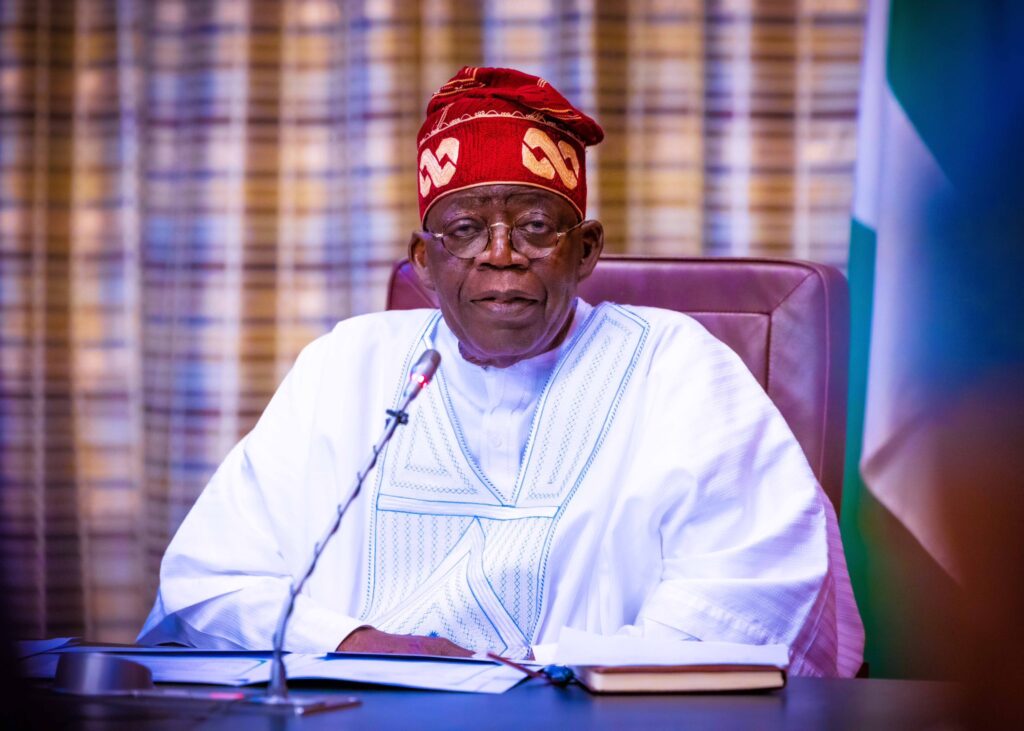
President Bola Tinubu has called on world leaders to prioritize debt forgiveness for Nigeria and other developing countries. Speaking at the 79th UN General Assembly, Vice President Kashim Shettima, representing Tinubu, urged multilateral institutions to offer special concessions to countries in the global South to alleviate their debt burden and promote economic progress.
While Tinubu’s administration has pledged to curb overreliance on borrowing and reduce debt servicing ratios, CBN data and analysts’ reports suggest that the challenges remain profound. Addressing the structural issues underpinning Nigeria’s debt crisis, including revenue generation and fiscal discipline, will be critical to ensuring long-term economic stability.
