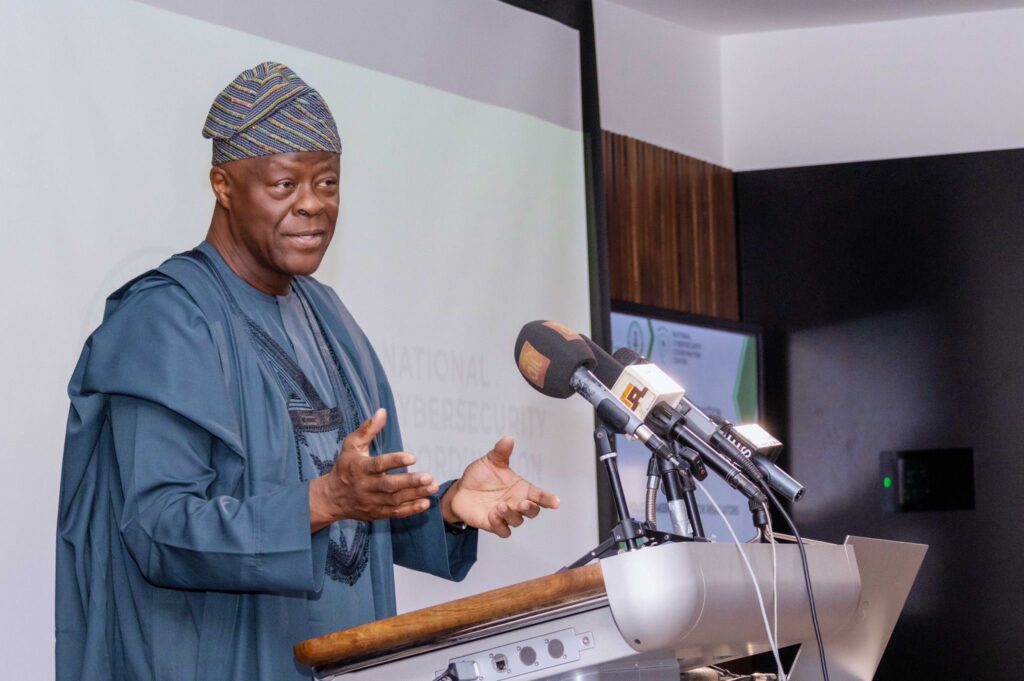
In a recent address to the Senate Committee on Finance, Nigeria’s Minister of Finance and Coordinating Minister of the Economy, Wale Edun, announced that the economic policies implemented under President Bola Tinubu’s administration have reached the “result-delivery stage.” Speaking at an interactive session on Thursday evening at the National Assembly Complex in Abuja, Edun highlighted positive outcomes from reforms, acknowledging Nigerians’ resilience amid the challenges.
Edun explained that two major economic reforms—the shift to market-based pricing of Premium Motor Spirit (PMS) and the liberalization of the foreign exchange market—have laid the groundwork for a healthier fiscal outlook. He noted that these measures are expected to strengthen government revenue, improve NNPCL’s financial stability, attract investments, and create job opportunities.
“The two critical reforms on market-based pricing of Premium Motor Spirit and foreign exchange are now at the stage of results delivery and, by extension, the viability of the nation’s economy through the restoration of fiscal health,” said Edun. He added that these reforms “portend additional revenue for the government, recovery of NNPCL’s finances, and a strong basis for economic growth.”
The Chairman of the Senate Committee on Finance, Senator Sani Musa, welcomed attendees by describing the meeting as a “fact-finding mission” to assess the feasibility of various reforms and their alignment with Nigeria’s Medium-Term Expenditure Framework (MTEF) and Fiscal Strategy Paper (FSP) for 2024-2026, with projections for 2025-2027. He outlined key agenda items, including the sale of crude oil to domestic refineries in naira and its potential impacts on the fiscal strategy, as well as shortfalls in NNPCL revenue remittances, covering areas such as excess crude accounts, signature bonuses, and under-recoveries.
“Today we gather to deliberate on pressing matters related to the sale of crude oil to domestic refineries in Nigeria in naira and its implication on the approved Medium-Term Expenditure Framework and Fiscal Strategy Paper for 2024-2026 and what we should expect for 2025-2027,” Senator Musa said. He emphasized that the meeting reflected the government’s commitment to “transparency, accountability, and responsible management of our national resources.”
Key officials in attendance included Mele Kyari, Group Chief Executive Officer of the Nigerian National Petroleum Company Limited (NNPCL), Gbenga Komolafe, Director-General of the Nigeria Upstream Petroleum Regulatory Commission, and representatives from the Central Bank of Nigeria, among others. The discussions mark a crucial phase in the government’s efforts to restore economic stability and chart a path for sustainable growth in the coming years.
