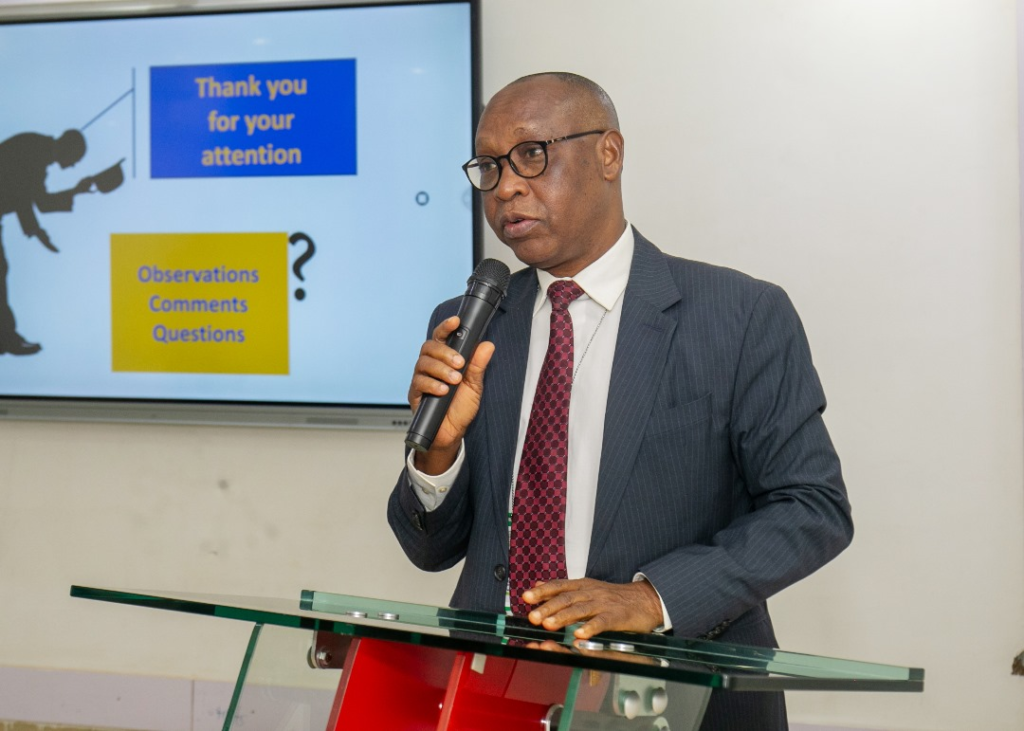
The Nigeria Extractive Industries Transparency Initiative (NEITI) says Nigeria’s removal from the Financial Action Task Force (FATF) grey list will significantly enhance the country’s international credibility and investor confidence.
In a statement issued on Monday, NEITI’s Executive Secretary, Dr. Orji Ogbonnaya Orji, described the development as “a strong vote of confidence in Nigeria’s reforms to combat corruption, improve financial transparency, and strengthen accountability systems across all sectors of the economy.”
According to Orji, the delisting marks tangible progress in fortifying Nigeria’s anti-money laundering and counter-terrorist financing (AML/CFT) framework. He noted that improved regulatory oversight and consistent inter-agency collaboration were pivotal in achieving the milestone.
“Nigeria’s exit sends a clear signal that our financial system is increasingly compliant with global transparency and integrity standards, making the country more attractive for foreign investment and international partnerships,” Orji said.
He explained that the move will lead to smoother cross-border transactions, better access to global financial systems, and lower risk assessments. “With the stigma of high-risk status removed, the private sector—especially the extractive industries—will benefit from increased investor interest, smoother trade flows, and greater confidence in Nigeria’s financial governance,” he added.
NEITI emphasized that beyond its economic impact, the FATF delisting signifies stronger institutional reforms and improved efficiency among key agencies such as the Bureau of Public Procurement (BPP), Code of Conduct Bureau (CCB), Central Bank of Nigeria (CBN), and the Federal Ministry of Justice. Law enforcement agencies, development partners, and diplomatic missions were also credited for their collaborative roles.
“The FATF delisting is not just a regulatory success—it is a governance success,” Orji noted. “It strengthens Nigeria’s standing in the international transparency community and reinforces NEITI’s work to ensure openness, accountability, and integrity in the extractive industry.”
Orji also lauded the Inter-Governmental Action Group Against Money Laundering in West Africa (GIABA) for its support in advancing Nigeria’s reforms. He described the milestone as a collective regional success achieved through collaboration and shared accountability under the West African Beneficial Ownership Transparency Forum (WABOT) and GIABA.
He reaffirmed NEITI’s commitment to working with anti-corruption agencies and development partners to sustain the progress and prevent policy reversals. Orji specifically acknowledged the efforts of the Economic and Financial Crimes Commission (EFCC), Nigerian Financial Intelligence Unit (NFIU), and Independent Corrupt Practices and Other Related Offences Commission (ICPC), noting that their collaboration under existing memoranda of understanding facilitated better data sharing and monitoring of illicit financial flows.
He also praised the 24 member agencies within the Inter-Agency Task Team (IATT), which NEITI chairs, for their outstanding contributions toward the achievement.
As co-chair of WABOT, Orji highlighted that Nigeria’s leadership in promoting beneficial ownership transparency has strengthened regional cooperation against corruption and money laundering, boosting international trust in Nigeria’s reform efforts.
Finally, he commended the media and civil society groups for their watchdog roles, saying their advocacy, awareness campaigns, and “naming and shaming” initiatives have kept public accountability alive.
For more stories and in-depth reports, visit our website at www.jocomms.com.
#NEITI #FATFGreyList #NigeriaTransparency
