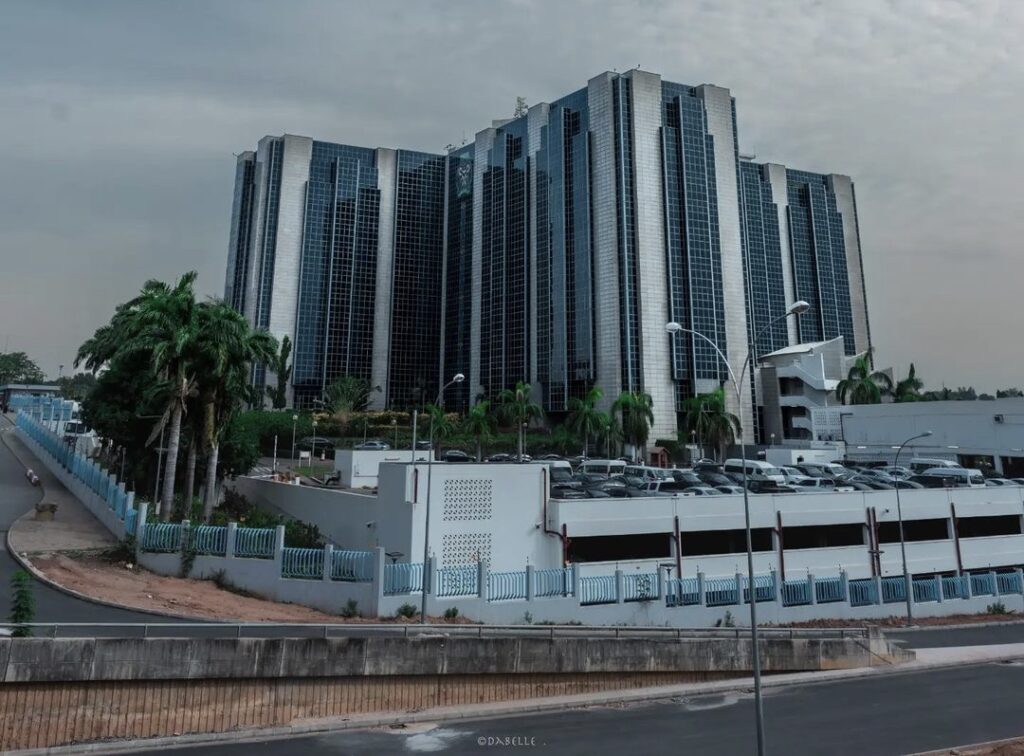
Nigeria’s foreign exchange reserves have surged past $40 billion, their highest level in nearly three years, marking a significant milestone in the Central Bank of Nigeria’s ongoing economic reforms. The announcement was made by the Bank’s Governor, Mr. Olayemi Cardoso, during a symposium in Abuja on Thursday. The event coincided with the unveiling of a compendium titled “Promoting Stability in an Era of Economic Reforms: The Journey So Far”, celebrating the first anniversary of the current CBN management team.
In his keynote address, Cardoso highlighted the progress achieved under his leadership, noting that the Bank’s reforms are starting to yield positive outcomes. “The past year has been transformative, despite the challenging economic environment,” he said. According to a press statement, he emphasized how these efforts have driven improvement in the FX market and stabilized foreign reserves, reaching a 33-month high.
Inflation on the Decline
Cardoso reported that inflation, which had climbed to 24.1 percent by mid-2023, is now on a downward trajectory, suggesting the Bank’s strategies are effectively addressing economic imbalances. “While inflation remains high, it is on a downward trend, signaling that our reforms are taking hold in restoring market equilibrium and fostering growth,” he said.
Key Policy Measures
The Governor credited recent achievements to a series of robust policy interventions, including adjustments to the Monetary Policy Rate, raised by 850 basis points to 27.25 percent, and an increase in the Cash Reserve Ratio for commercial banks to 50 percent. These actions, he explained, were designed to curb inflation and foster economic stability.
Another major reform Cardoso highlighted was the unification of Nigeria’s multiple exchange rate windows, a system previously criticized for creating opportunities for arbitrage and hindering foreign investment. He noted that this move had already reduced FX settlement backlogs and helped prevent revenue losses, which amounted to an estimated N6.2 trillion in 2022.
Boosting Foreign Remittances
The Central Bank has also prioritized increasing foreign remittances, setting an ambitious goal of attracting $1 billion in monthly remittances to bolster foreign reserves and support economic stability. Cardoso described this initiative as “critical” for Nigeria’s economic future.
To further tackle Nigeria’s long-standing decline in foreign direct investment, the Bank introduced new guidelines for Bureau de Change operators to enhance regulatory compliance and reduce disruptions in the FX market.
Digital-First Approach
Emphasizing a commitment to digital transformation, Cardoso explained that the Bank’s Digital-First Initiative has helped automate core processes, cut operational costs, and introduced data-driven tools to improve policy decisions. The Bank has also launched an Integrated Data Collection and Sharing Portal and an Investor Relations Unit, aimed at creating a more transparent, investment-friendly environment.
Collaborative Efforts and Commendations
Cardoso stressed the importance of a unified approach between fiscal and monetary authorities, which he called essential for cohesive policymaking. Lagos State Governor Babajide Sanwo-Olu, present at the event, praised the CBN’s leadership for its dedication to transparency and constructive self-assessment. He called for greater unity in addressing Nigeria’s economic challenges, emphasizing that such collaboration will be vital for sustained progress.
As Nigeria continues on this path of reform, Cardoso’s updates provide a promising outlook, though challenges remain. The CBN’s initiatives mark an aggressive, multi-pronged approach aimed at stabilizing the economy, boosting investor confidence, and setting a foundation for sustained growth.
