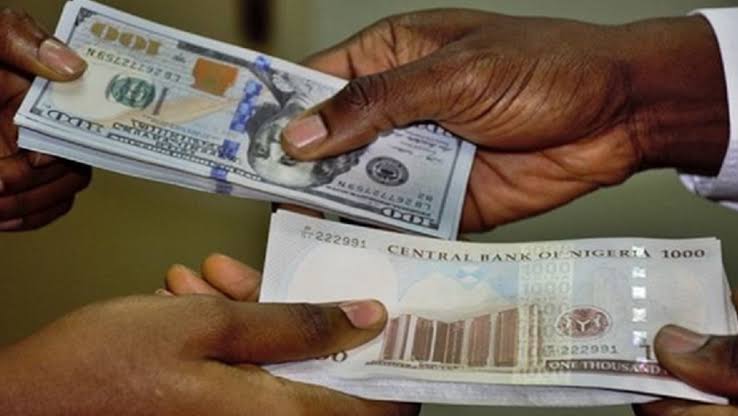
Payments for Letters of Credit (LCs) in Nigeria have fallen drastically by 57.04% in the first seven months of 2024, totaling $391.91 million compared to $912.35 million during the same period last year, according to recent data from the Central Bank of Nigeria (CBN). This significant drop reflects ongoing challenges in the country’s foreign trade sector.
Letters of Credit are crucial financial instruments used to facilitate international trade by guaranteeing payments to exporters once specified conditions are met. The sharp decline in these payments is attributed to a variety of factors, including the departure of multinational companies, soaring customs duties, and a volatile foreign exchange market.
In February 2024, the highest LC payments were recorded at $102.59 million, with subsequent months showing a marked decline. Payments for March plummeted to $43.53 million from $269 million the previous year, and by May, the figure had fallen to just $21.48 million before showing some recovery in June.
Tunde Amolegbe, Managing Director of Arthur Steven Asset Management Limited, suggests that the decline was anticipated due to the unstable exchange rate and escalating customs charges. He noted, however, that recent tax waivers for essential food imports could slightly improve the situation. “Stability in the FX market and a lower interest rate, alongside a harmonized tax regime, should also contribute to the recovery,” he added.
The naira has depreciated by approximately 70% since President Bola Tinubu assumed office in May 2023, exacerbating the foreign currency crisis despite CBN’s efforts to enhance liquidity. Tajudeen Ibrahim, Director of Research and Strategy at Chapel Hill Denham, observed that Nigerian businesses are actively settling their LCs, indicating a gradual improvement in dollar liquidity. He cited MTN as a notable example, having recently paid around $300 million towards their LCs.
Economist Rotimi Fakayejo pointed out that inconsistent FX availability and increased customs duties have impacted import activity, leading to a reduction in vehicle imports and contributing to the slowdown in LC payments. He anticipates that with the impending operation of local refineries, such as the Dangote Refinery, there might be improved dollar availability and an eventual increase in LC receipts.
Tajudeen Olayinka, an investment banker, suggested that the reduction in LC payments could be due to a slowdown in import demand or a shift to alternative credit methods. He highlighted that while this might encourage local production, it could also lead to short-term economic challenges and higher inflation.
The current trend reflects broader economic difficulties in Nigeria, but experts remain hopeful that upcoming developments in local production and refinery operations might offer some respite.
