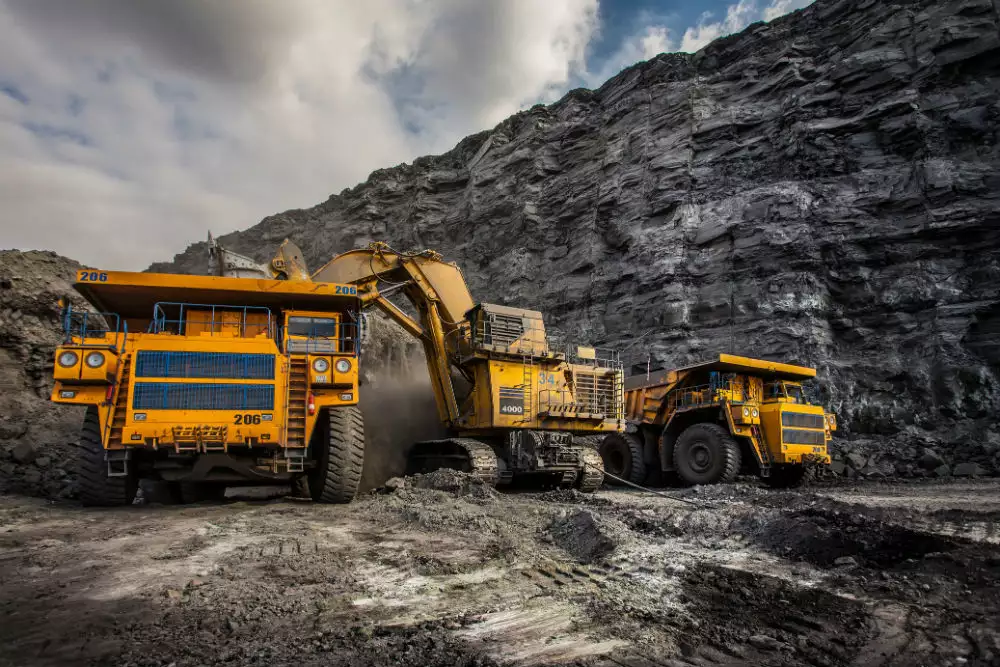
At an open-cast mine in Nigeria’s central state of Nasarawa, Abdullahi Ibrahim Danjija carefully chisels away at a chunk of whitish rock, filling a sack with the broken pieces.
By the end of a long day’s labor, the 31-year-old miner manages to fill three 50-kilogram bags, earning him ₦150,000 ($100)—a sum that doubles Nigeria’s monthly minimum wage.
Like many others, Danjija migrated from Kano State three years ago, drawn by the promise of prosperity in the booming artisanal lithium mining industry. The lure? Lithium’s skyrocketing global demand, fueled by its critical role in electric vehicle batteries and mobile phones.
The Rise of Artisanal Lithium Mining
Across Nasarawa and other Nigerian states, lithium mining has triggered a gold rush-like frenzy, with informal miners hoping to cash in on the country’s vast mineral deposits.
At Gidan Kwano, a few miles from Danjija’s worksite, another group of miners refused access to AFP reporters. Here, entire families—including women and children—were seen laying explosives to blast into their artisanal mine, operating without government permits and wary of outside attention.
Despite its potential, most of Nigeria’s lithium mining remains informal and largely unregulated. Even licensed miners often disregard safety and environmental regulations, putting both workers and the ecosystem at risk.
Along Nasarawa’s main roads, empty houses repurposed as makeshift warehouses serve as sorting and cleaning hubs, where miners prepare lithium-rich rocks for buyers.
“We are very happy. Since lithium comes here, everybody—children and women—are benefiting,” said Matthew Danbala, a local vendor, as children mimicked his gestures, breaking rocks with small hammers.
China’s Growing Presence in Nigeria’s Lithium Market
China, the world’s largest consumer and refiner of lithium, relies on imports to meet its growing demand. With Nigeria actively promoting lithium as its “new oil”, the government is eager to attract foreign investors while cracking down on illegal mining.
Despite numerous arrests of illegal miners, authorities have struggled to curb the unregulated lithium trade, which many see as their ticket to financial success.
Nigeria now seeks to enforce a policy requiring foreign investors to set up lithium processing plants within the country—a condition reportedly strong enough to dissuade Tesla CEO Elon Musk from investing, according to Nigerian media.
Nevertheless, Chinese companies like Avatar and Ganfeng have already established local processing plants, transforming raw lithium into lithium oxide for export.
However, Uba Saidu Malami, president of the Geological Society of Nigeria, warns that Chinese companies sometimes rush into operations without thorough exploration to confirm lithium reserves.
“The Chinese are cowboys when it comes to mining,” he said.
“They move the excavator and just expand that physical extraction, which is not smart mining in these days of sustainable practices and environmental sensitivity.”
Conflict and Environmental Risks
Beyond environmental concerns, artisanal lithium mining has fueled local conflicts.
“There can be disputes between communities over resource ownership,” said analyst Charles Asiegbu.
“We’ve also seen attacks and kidnappings targeting companies and expatriates when local communities feel they haven’t received fair compensation.”
Organized criminal groups have also exploited weak government oversight, illegally extracting lithium and profiting from the unregulated trade.
Meanwhile, despite the dangers—including deadly landslides during the rainy season—miners like Danjija continue their work. Nearby, Fulani herders graze livestock and burn fields for the next planting season, seemingly unfazed by the frequent explosions from lithium mining operations.
Conclusion
Nigeria’s lithium rush presents both economic opportunities and significant challenges. While the global demand for lithium surges, the country must balance investment, regulation, and sustainability to ensure that this “new oil” benefits all Nigerians—not just a select few.
(AFP)
