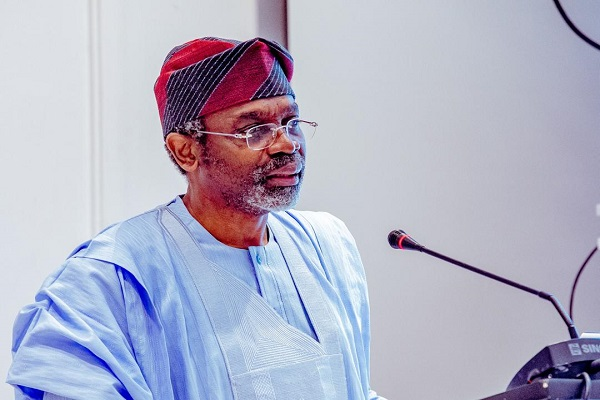
Femi Gbajabiamila, the Chief of Staff to President Bola Ahmed Tinubu and former Speaker of the House of Representatives, has raised alarm over the increasing strain on Nigeria’s National Assembly due to the dysfunction of the country’s local government administration. Speaking at the opening of the 2025 National Assembly Open Week, Gbajabiamila outlined how the collapse of local government systems across Nigeria has forced federal lawmakers to take on responsibilities that fall outside their constitutional mandate.
In his speech, Gbajabiamila highlighted that the failure of local governments to provide basic services has resulted in citizens turning to members of the National Assembly for help. “The collapse of the local government system has created a situation where citizens now expect members of the legislature, particularly those in the National Assembly, to fill the gap in providing social services,” he said.
The Chief of Staff noted that this dysfunction has led to a paradigm of “dysfunction and resentment,” putting undue pressure on lawmakers. He further warned that the pressure to provide services such as education, healthcare, and infrastructure could erode the integrity of the legislative arm and distract lawmakers from their primary roles in lawmaking, oversight, and representation.
The Overburdened Legislators
Gbajabiamila argued that the Constitution never envisioned legislators as service providers and that no provisions were made to allocate the necessary resources for such roles. “Yet, political survival increasingly depends on fulfilling constituency demands that should rightly be the responsibility of local government councils,” he explained.
This shift has led to a public misunderstanding of legislative roles, according to the former Speaker. He noted that while legislators are often criticized by the media and civil society for the lack of infrastructure and services in their constituencies, the underlying structural failure of local government systems is frequently overlooked.
“The appropriations process remains the only tool legislators can use to respond to these expectations; yet, it is this very process that is often criticised by the same public that demands those interventions,” Gbajabiamila added.
Calls for Local Government Revitalisation
Gbajabiamila commended President Tinubu’s ongoing efforts to revitalize local government administration through better funding, autonomy, and accountability. He emphasized that strengthening the local government system is crucial for allowing federal lawmakers to focus on their constitutional duties.
“When local governments have the resources and independence to function as the Constitution intended, then legislators are freed to legislate, develop policy, advocate for the greater good, and hold the executive to account,” he stated.
Gbajabiamila called for a national conversation about the future of legislative responsibilities, suggesting that it might be time to amend the Constitution to reflect the evolving role of lawmakers in providing social services. He proposed that resources be allocated in a transparent and structured manner to support this new direction.
Strengthening Nigeria’s Democracy
The Chief of Staff concluded by stressing that Nigeria’s democracy can only grow if the legislature is allowed to function as a strong, independent arm of government. He reiterated that when local governments are fully functional, it will allow the National Assembly to focus on lawmaking and governance without being burdened by demands that should be handled at the local level.
Gbajabiamila’s remarks shed light on the growing concern within the National Assembly about the challenges posed by the failure of local governments and how it is undermining effective governance in Nigeria.
