The Nigerian Labour Congress (NLC) has strongly criticised the Federal Government’s proposed allocation of ₦8 billion for electricity bill sensitisation, calling it an unnecessary and insensitive expenditure. The proposal, defended by the Minister of Power, Adebayo Adelabu, during the 2025 budget presentation, has sparked public outrage, particularly given ongoing grid failures and economic hardships.
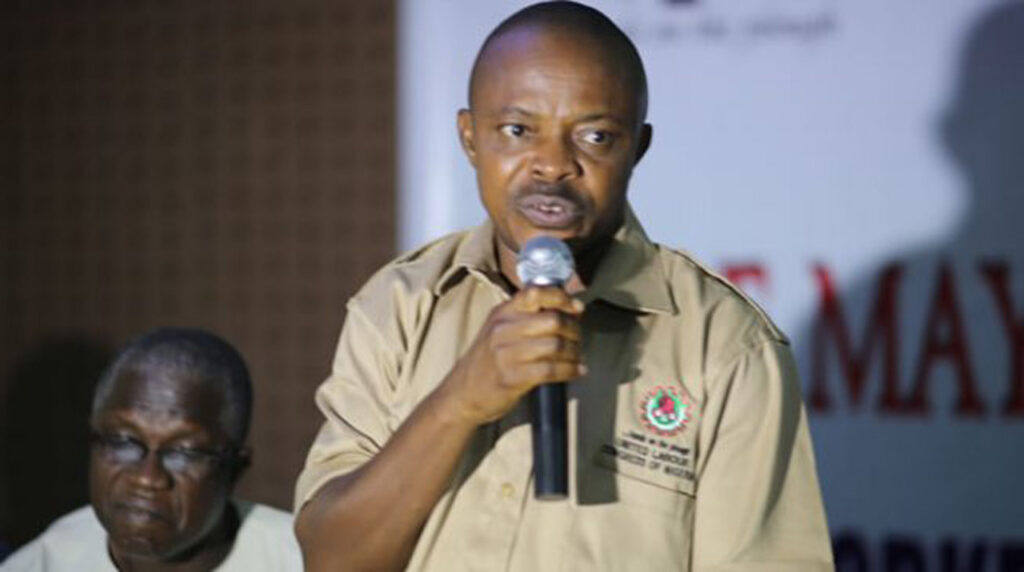
In a statement on Tuesday, NLC President Joe Ajaero expressed disappointment with the Ministry of Power’s priorities, highlighting that contractors in the Transmission Company of Nigeria are owed over ₦200 billion, while critical infrastructure remains underfunded.
“Proposing ₦8 billion to sensitise Nigerians already burdened with exorbitant electricity tariffs is a slap in the face of hardworking citizens,” Ajaero stated. “This reeks of arrogance and insensitivity, especially when millions are grappling with poverty and runaway inflation.”
Ajaero criticised the contradiction of allocating funds to educate Nigerians on paying electricity bills to private companies while grid failures persist and service delivery worsens.
“Instead of ensuring steady electricity, they want to teach us how to pay for darkness. Governance should be about reducing hardship, not compounding it,” he added.
The labour leader also called attention to broader issues within the power sector, including inefficiencies within the National Electricity Regulatory Commission (NERC). He accused the commission of failing to intervene in unethical practices, referencing allegations of a whistleblowing DISCO managing director being dismissed without protection from NERC.
Ajaero called for a comprehensive audit of the power sector’s finances and budgets, urging the National Assembly to reject the ₦8 billion proposal and prioritise resolving grid collapses and expanding electricity access.
Public frustration has grown over repeated grid failures, reportedly more frequent under the current administration than in previous leaderships. Critics argue that funds should be channelled into addressing these core issues rather than what they perceive as frivolous spending.
“Sensitisation campaigns should not cost a fraction of this amount, especially when schools are underfunded, hospitals lack basic equipment, and infrastructure is in disrepair,” Ajaero emphasised.
The NLC’s condemnation has amplified concerns over perceived financial mismanagement and governance in the power sector. Advocacy groups and citizens are closely monitoring the National Assembly’s decision on the proposed spending, with growing calls for reforms and accountability.
“As the nation awaits the National Assembly’s decision, Nigerians are ready to push back against perceived misgovernance and demand solutions to the country’s critical challenges,” Ajaero concluded.
