The recent 50% hike in telecom tariffs approved by the Federal Government has ignited widespread opposition, with multiple stakeholders—including the National Association of Telecommunications Subscribers (NATCOMS), the Nigeria Labour Congress (NLC), and the National Association of Nigerian Students (NANS)—expressing dissatisfaction and planning to take action.
NATCOMS plans to engage the Nigerian Communications Commission (NCC) on Friday to advocate for a reduction of the tariff hike from 50% to 10%. If the dialogue fails, NATCOMS intends to file a lawsuit next week.
NATCOMS President Adeolu Ogunbanjo criticized the NLC’s proposed nationwide boycott of telecom services, warning it could harm investor confidence. Instead, Ogunbanjo urged telecom operators to explore alternative funding options like Initial Public Offerings (IPOs) to address their financial challenges.
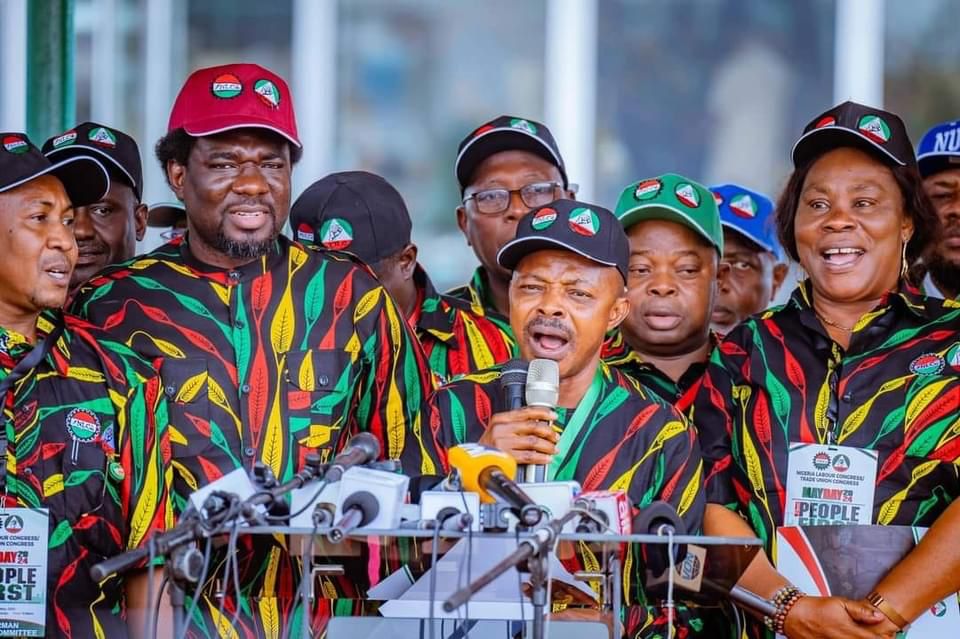
The NLC, led by Joseph Ajaero, described the tariff increase as an undue burden on Nigerian workers, many of whom earn less than $50 per month. Ajaero warned of potential nationwide protests, including boycotting telecom services and occupying the head offices of telecom operators.
Lagos State NLC Chairperson Sessi Funmi said the union’s National Executive Council (NEC) is yet to finalize its approach but hinted at various actions that might include strikes or demonstrations.
NLC Public Relations Officer Benson Upah emphasized the importance of peaceful protests, urging citizens to organize and resist policies that exacerbate economic hardships.
The National Association of Nigerian Students (NANS) also condemned the tariff hike, labeling it “inconsiderate and unjustifiable.” NANS issued a 72-hour ultimatum to the NCC and the Ministry of Communications and Digital Economy to reverse the decision, warning of nationwide protests if their demands are not met.
NANS highlighted the critical role of affordable internet access in bridging educational gaps, arguing that the tariff increase would further exclude millions of students from quality education, thereby deepening the digital divide.
The tariff increase, the first in over a decade, was approved to address rising operational costs, including inflation, exchange rate volatility, and significant investments needed to meet growing consumer demand. These challenges have strained the sustainability of the telecom sector, which contributes about 14% to Nigeria’s GDP.
The NCC has justified the hike as necessary to revitalize the sector, but the move has sparked intense debates about its timing and implementation. Critics argue that the decision fails to account for the economic hardships faced by Nigerians.
As tensions rise, NATCOMS plans to focus on constructive dialogue, while the NLC and NANS prepare for possible protests. Stakeholders have called for a balanced approach that ensures the financial viability of the telecom sector without overburdening consumers.
The coming days will be crucial in determining whether the government and regulators will adjust their stance or face intensified resistance from citizens and advocacy groups.
