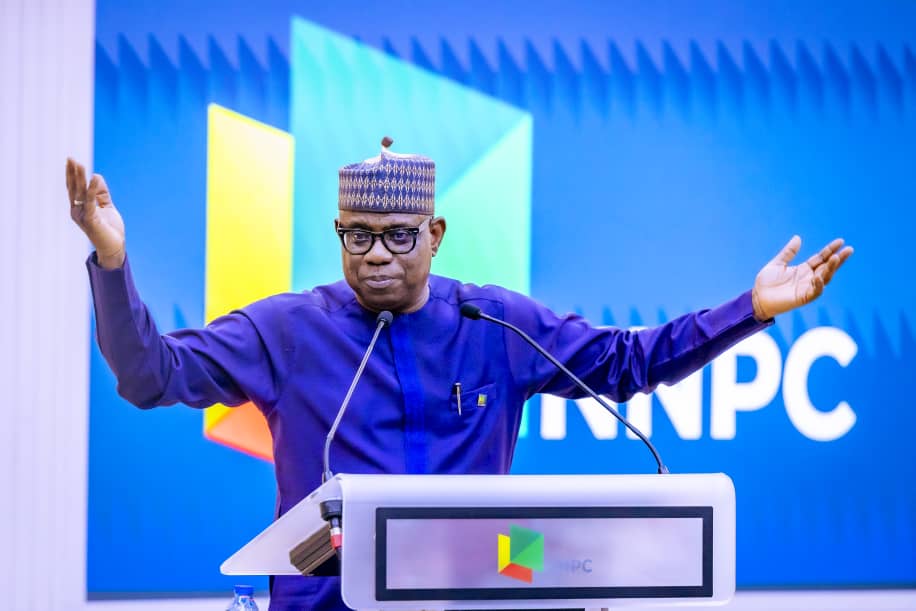
Oil marketers and industry stakeholders have endorsed the proposed sale of Nigeria’s state-owned refineries, calling for transparency, inclusiveness, and accountability throughout the process. They argue that the Port Harcourt, Warri, and Kaduna refineries—despite years of costly rehabilitation—remain non-functional, serving as fiscal drainpipes rather than strategic national assets. The push for privatisation gained fresh momentum following recent comments by Nigerian National Petroleum Company Limited (NNPCL) CEO, Bayo Ojulari, who revealed that rehabilitation efforts have been underwhelming, prompting a strategic reassessment that could lead to outright sale.
Speaking on the matter, National President of the Petroleum Products Retail Outlets Owners Association of Nigeria (PETROAN), Billy Gillis-Harry, affirmed support for privatisation but warned against turning the process into a political charade. He emphasized the need for grassroots stakeholder involvement, pointing out that the refining sector must be opened up to multiple players to stimulate competition and improve pricing. Gillis-Harry also criticized the government for abandoning promised investigations into past rehabilitation funds, questioning the credibility of a sudden push for asset disposal without first addressing unresolved issues of mismanagement.
Echoing similar sentiments, the Independent Petroleum Marketers Association of Nigeria (IPMAN) described the refineries as liabilities that have cost the country trillions with little to no output. IPMAN spokesperson, Chinedu Ukadike, said it is imperative that the government chart a sustainable path forward—whether through sale or concession—but not without addressing the systemic corruption that crippled previous efforts. He cautioned against scrapping the facilities altogether but strongly supported selling them to responsible operators who can unlock their potential.
Industry analysts, including energy economist Kelvin Emmanuel and Professor Wumi Iledare, also weighed in on the issue. Emmanuel called for the prosecution of former NNPC leadership over alleged economic sabotage, stressing that selling the refineries without accountability would be irresponsible. Iledare, however, urged caution, advocating for a strategic, PIA-guided approach to privatisation that safeguards long-term national interests over short-term revenue considerations.
Despite the billions of naira sunk into the refineries—estimated at over $2.8 billion across Port Harcourt, Warri, and Kaduna—the facilities remain moribund. Stakeholders agree that only a transparent and inclusive privatisation process, with lessons learned from past failures, can rescue Nigeria’s downstream sector from its decades-long stagnation.
