About 92 people have died in boat accidents across Nigeria between January and August 2025, despite renewed efforts by the Federal Government to improve safety on the nation’s waterways. Fatal incidents were reported in several states, including Rivers, Niger, Sokoto, Kwara, and Zamfara.
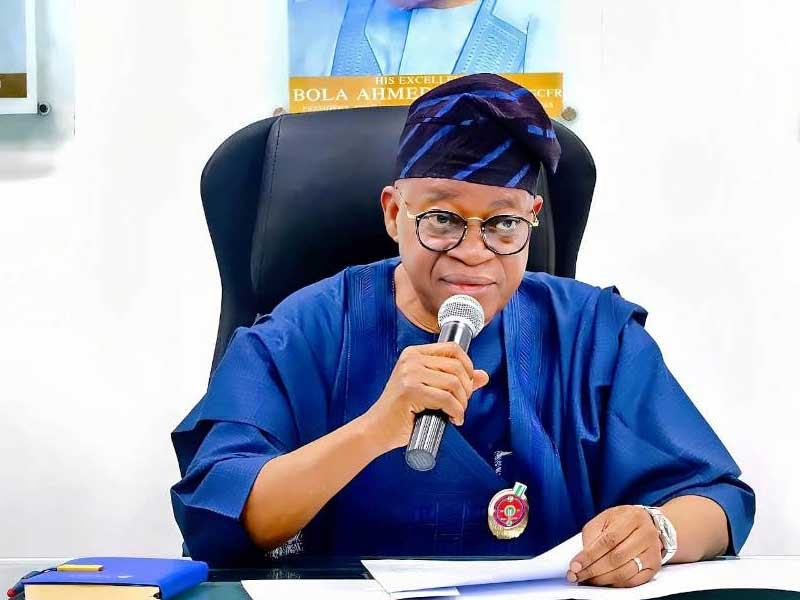
The Minister of Marine and Blue Economy, Adegboyega Oyetola, attributed the persistent tragedies to the continued use of wooden boats. In a statement on Sunday, he appealed to state governments to phase them out, describing the vessels as structurally weak and unsafe for modern transport.
A review of official records and media reports shows that accidents have been frequent and deadly. In January, a boat capsized near Bonny Island, killing three people, including a toddler, while 19 others survived. On May 15, 27 passengers died when a storm overturned a market boat along the Niger River in Kwara State. Two months later in Niger State’s Shiroro area, at least 13 people were feared dead after another passenger boat capsized near Gumu village.
Sokoto State has recorded some of the deadliest incidents this year. On August 17, a boat carrying over 50 passengers capsized at Goronyo market; two days later, authorities confirmed that 25 passengers were missing while 25 had been rescued. On August 22, a canoe accident in Sabon Birni claimed six lives, with three others missing. Less than two weeks later, on August 30, a boat carrying villagers fleeing violence capsized in Zamfara, killing at least 13 people and leaving more than 20 missing. Local reports later revised the death toll to 16.
Over the weekend, the National Inland Waterways Authority confirmed yet another mishap at Jaranja River in Sokoto’s Shagari Local Government Area. NIWA’s area manager, Bala Bello, said two people died, while nine were rescued. He blamed negligence, overloading, and violation of safety rules.
The Federal Government has made attempts to strengthen waterways safety. In May, Oyetola launched the distribution of 42,000 life jackets to users in 12 riverine states. Each state received 3,500 jackets in the first phase of the initiative. But the minister said life jackets alone cannot solve the problem if unsafe wooden boats remain in use.
While commiserating with families affected by the Jaranja River tragedy, Oyetola said, “Despite the ministry’s recent interventions, including the nationwide distribution of 3,500 life jackets to each riverine state, incidents of boat mishaps have persisted largely due to the widespread use of wooden boats. The structural weaknesses of wooden boats make them unsafe for modern commercial operations.”
He warned that wooden boats could no longer withstand the heavy loads they are used for, particularly when overloaded. “The time has come for a decisive break from outdated practices. Wooden boats have served their time, but they cannot be the future of water transport in Nigeria. The tragic mishaps we continue to witness are a direct consequence of the continued reliance on unsafe vessels. We must now chart a safer course for our people,” Oyetola declared.
The minister urged state governments to invest in fibre and aluminium boats, which he described as sturdier, safer, and globally accepted for inland and coastal transport. “Our ministry has mandated the compulsory use of life jackets, and we have supplied them in thousands to riverine states. But life jackets alone cannot guarantee safety without safe boats. I therefore appeal to our state governments to complement the Federal Government’s efforts by deliberately investing in fibre and aluminium boats. This is the seed we must sow today to secure a safer, more prosperous tomorrow,” he added.
Stakeholders in the waterways sector have also raised concerns. The Chairman of the United Waterways Passengers Association, Gbenga Oluwadiya, called for stricter enforcement of life jacket use. “The government has tried in the area of giving out life jackets and sensitising people on the wearing. But I think the government needs to do more on the enforcement of the use of life jackets,” he said.
Similarly, the President of the Barge Operators Association of Nigeria, Olubunmi Olumekun, urged regulators to separate passenger boats from cargo boats to reduce overloading. “Some boat operators use passenger boats to carry goods. They load people and also have a full load of goods. It is not possible; you have to separate them, let the passenger boat be for passengers, and the one for goods be for goods. You must separate them,” he said.
The repeated tragedies have renewed national debate over safety on Nigeria’s waterways and the urgent need to replace wooden boats with safer alternatives.
